I killed three rosemary plants before I figured out container vegetable gardening isn't just dirt in a pot. The first one drowned in a decorative ceramic planter with no drainage hole. My fault. The second baked on a south-facing balcony in July. Also my fault. By the third, I started writing down every variable, and that notebook is basically what you're reading now.
Here's the short version: most container vegetable gardening advice tells you to pick easy crops. That's lazy. Tomatoes are "easy" until they split from irregular watering. Lettuce is "easy" until it bolts in a heat wave. The real skill is matching the crop variety to your pot size, your sun hours, and your actual watering habits (not the habits you wish you had).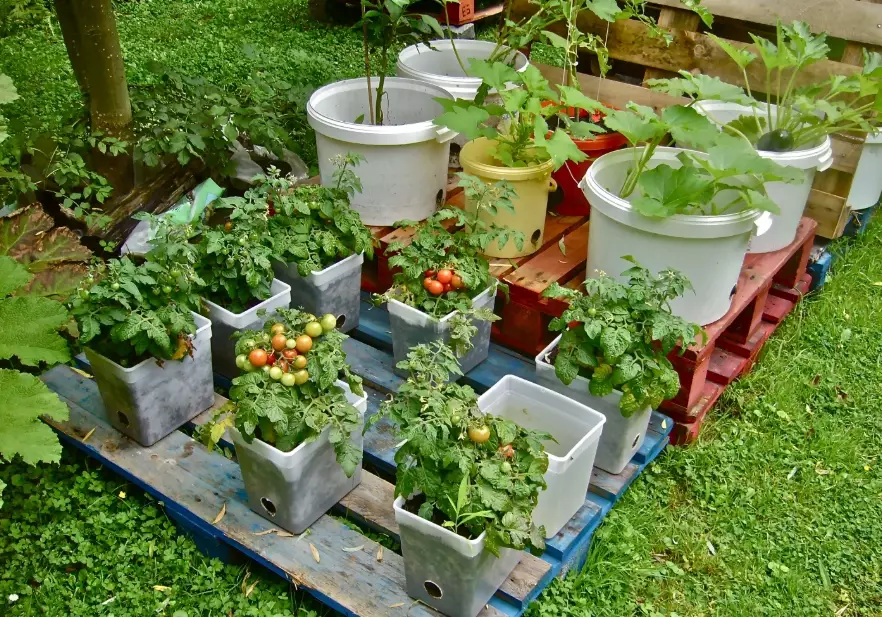
Quick Navigation: What's Inside
Why Container Soil Behaves Differently Than Garden Beds
A garden bed has a huge buffer. A 5-gallon pot has maybe a day of buffer in July. That's the whole game.
In-ground soil can wick moisture from below. Container soil can't. It dries from the top, from the sides (the pot wall heats up fast), and from the root zone pulling water up through the plant. A black plastic pot in full sun can hit 120°F on the sunny side by afternoon. I've measured it with an infrared thermometer. The roots on that side cook.
So what does that mean practically? You can't copy garden-bed advice into a container. Watering "deeply once a week" is a garden-bed habit. In a 3-gallon pot with a mature tomato plant, that schedule gives you blossom end rot by August. The plant needs water every day, sometimes twice.
7 Vegetables That Actually Thrive in Containers
I've grown all of these on a 6-foot-by-3-foot balcony with about 6 hours of direct sun. These aren't theoretical picks from a seed catalog. They're the ones that produced something worth eating.
1. Cherry tomatoes (determinate varieties)
Determinate cherry tomatoes stay compact, usually 2 to 3 feet tall. 'Tiny Tim' and 'Patio F1' both work in a 5-gallon pot. The trap: people buy indeterminate cherries like 'Sun Gold' and then wonder why a 2-foot plant tries to reach the ceiling. It will. Skip it for containers unless you're ready to prune weekly and stake high.
2. Bush beans
Bush beans fix their own nitrogen, which means you can grow them in a slightly leaner mix. They don't need deep pots. A 3-gallon pot with 4 to 5 plants gives you a couple of handfuls every few days for about three weeks. Harvest while pods are young. Let them swell and the plant shuts down production.
3. Leaf lettuce (loose-leaf, not head)
Loose-leaf lettuce is the fastest reward in container vegetable gardening. You can cut outer leaves in about 30 days. Head lettuce in a pot is a heartbreak waiting to bolt. I plant 'Salad Bowl' in a wide, shallow 12-inch pot and cut leaves every other day. It keeps going until real heat arrives.
4. Radishes
Radishes go from seed to harvest in 25 to 30 days. They need loose soil and consistent moisture or they turn woody and split. A 10-inch-deep pot is plenty. I sow a small patch every two weeks from early spring through early summer. The gap between "perfect" and "pithy" is about four days in hot weather, so check daily once roots start swelling.
5. Peppers (compact hot varieties)
Hot peppers handle heat better than tomatoes and don't split as easily. 'Jalapeño' and 'Thai Dragon' both do well in 3 to 5-gallon pots. One thing I learned the hard way: peppers stall if nighttime temperatures drop below 55°F. Don't put them out too early. A stalled pepper plant can take three weeks to restart.
6. Swiss chard
Chard is the most forgiving leafy green I've grown in containers. It tolerates partial shade, handles a missed watering better than lettuce, and you can harvest outer stems for months. 'Bright Lights' looks good enough to keep on a patio. A 5-gallon pot supports 3 plants.
7. Bush cucumbers
Regular cucumbers vine everywhere. Bush varieties like 'Bush Pickle' stay compact and still produce full-size fruit. They need consistent water or the fruit turns bitter. I water bush cucumbers every morning in summer, no exceptions. Once they get stressed, bitterness shows up in the next few fruits.
Pot Size and Soil Mix: The Numbers That Matter
Pot size is the most common mistake I see. People buy cute 8-inch pots and then plant a tomato. The tomato survives and produces almost nothing.
| Crop | Minimum Pot Size | Soil Depth Needed | Plants Per Pot |
|---|---|---|---|
| Cherry tomato (determinate) | 5 gallons | 12 inches | 1 |
| Bush beans | 3 gallons | 8 inches | 4 to 5 |
| Leaf lettuce | 3 gallons (wide, shallow) | 6 inches | 4 to 6 |
| Radishes | 2 gallons | 10 inches | 6 to 8 |
| Hot peppers | 3 to 5 gallons | 10 inches | 1 |
| Swiss chard | 5 gallons | 10 inches | 3 |
| Bush cucumber | 5 gallons | 12 inches | 1 to 2 |
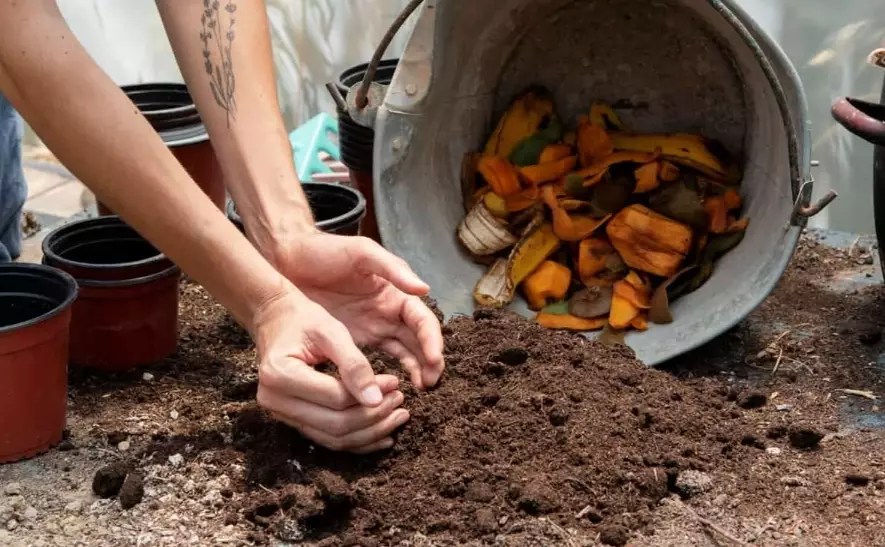
For soil, skip garden soil straight from the ground. It compacts in pots and drains poorly. A mix of roughly 60% peat moss or coconut coir, 30% compost, and 10% perlite works well. I've also used a 50/50 blend of compost and coconut coir with a handful of perlite per 5-gallon pot, and it performed about the same. The key is drainage plus water retention. Pure compost dries into a hard brick.
How to Build a Watering Routine That Doesn't Fail
Watering is where container vegetable gardening succeeds or falls apart. You can do everything else right and lose the crop to inconsistent moisture.
Here's a test I use: stick a finger in the soil up to the second knuckle. If it's dry at that depth, water until it runs out the drainage hole. If it's damp, wait. Don't water on a schedule just because it's Tuesday. Check first. The finger test sounds basic, but it prevents the most common error: watering the surface every day while the root zone stays dry.
A few situational adjustments:
In a heat wave, move pots so they get morning sun and afternoon shade. That one change cuts water demand by a noticeable amount. I've measured soil moisture after a 95°F afternoon, and the shaded pots held moisture a full day longer.
Mulch the top of the pot with an inch of straw or shredded leaves. It's not decorative. It keeps the soil surface from baking and cuts evaporation. A bare pot surface in direct sun gets hot enough to hurt shallow roots.
Group pots together. Pots clustered close create a slightly more humid microclimate and shade each other's sides. Solo pots on a hot balcony dry much faster.
Container Vegetable Gardening Mistakes I See Every Season
I've watched neighbors start balcony gardens and quit by July. The reasons repeat.
Overwatering in cool weather. People set up a daily watering habit in May when the weather is mild, then drown their plants. In cool weather, a pot might need water every three or four days. The finger test matters more in spring than in summer.
Using pots without drainage holes. Decorative planters often have none, or have a single tiny hole that clogs. If you love a pot with no hole, drill one or use it as a cachepot with a nursery pot inside. I've seen root rot from this more than any other cause.
Planting too early. A warm day in April doesn't mean the soil is warm. Peppers and cucumbers sulk in cool soil. Wait until nighttime temperatures stay above 55°F consistently. Your plants will catch up fast once they start growing in warm soil.
Skipping support until it's too late. Put the stake or cage in at planting time. Pushing a stake through a mature root ball later damages roots and stresses the plant right when it needs to focus on fruiting.
One more: fertilizer timing. Heavy feeding early makes lush leafy growth with few flowers. Start feeding with a balanced liquid fertilizer once the first flowers appear, then switch to a higher-potassium feed once fruit sets. That shift in timing makes a real difference in yield.
Real Questions From Small-Space Growers
This guide was fact-checked against extension service guidance on container growing and my own season-by-season growing notes from a small urban balcony.
Leave a Comment