
Knowing when to harvest vegetables is the single biggest factor between a bland, watery tomato and one that actually tastes like summer. I've pulled radishes too early, watched beans turn tough overnight, and learned most of this the hard way on a 20-foot by 40-foot plot in zone 6b. The short version: ignore the calendar on the seed packet. Watch the plant itself. The plant always tells you.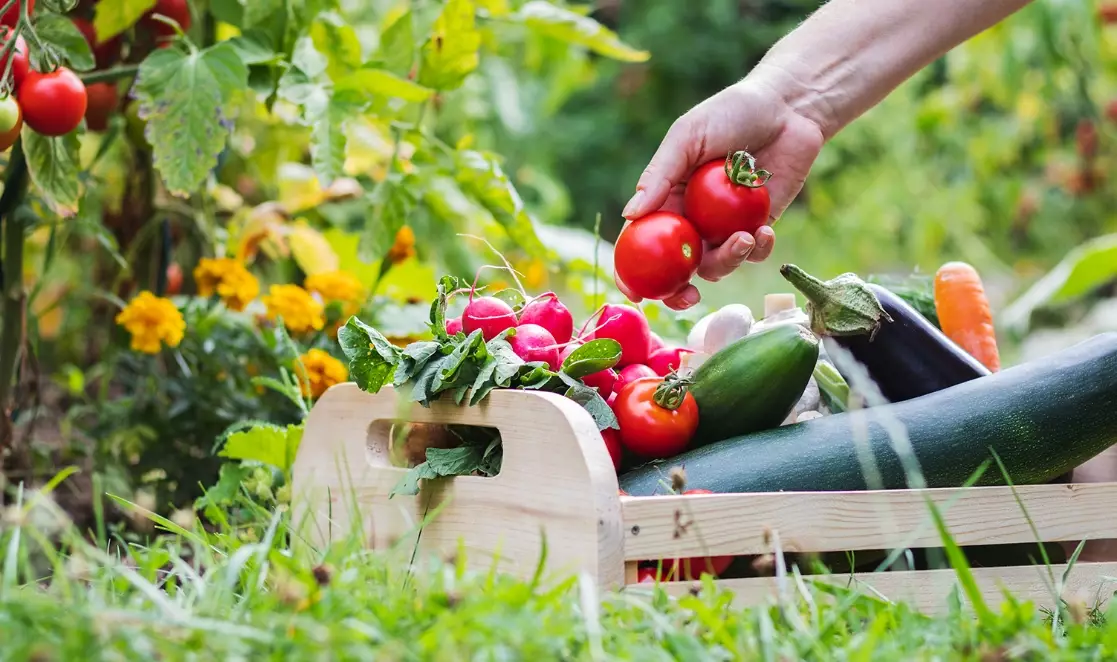
Signs, not calendar dates
Here's a non-consensus take that will annoy some old-timers: seed packet "days to maturity" counts are wildly unreliable for home gardeners. They're calculated from transplant date under ideal commercial conditions. My beds run cooler in spring. Your timing varies. The real skill is reading what the plant shows you.
What actually counts as a harvest signal
- Color break, not full color — tomatoes are ready at the first blush of orange. Pick them then for counter ripening. Full red on the vine invites cracking and hornworm damage.
- Size relative to the seed packet — but only as a loose guide. Pick zucchini at 6 inches, not 10. Oversized zucchini turn mealy. I learned this after one 14-inch monster filled an entire pan with water.
- Texture change under gentle pressure — a ripe pepper gives slightly. A firm one does not. Press with your thumb near the stem.
- Stem thickness and snap — beans and peas snap clean off when ripe. If the stem bends and tears, wait.
- Taste test — the most underused tool. Pull one carrot, one radish. Chew. If it's spicy or woody, the rest need more time.
One detail I wish someone had told me: leafy greens bolt based on day length, not size. Spinach and arugula turn bitter the moment the plant feels long days. Harvest those early and often. Don't wait for a big leaf.
Harvest timing table for common crops
This table cuts out the guesswork. These windows are based on my own records and cross-checked against University of Minnesota Extension vegetable growing guides. Check your local extension service for climate-specific adjustments.
| Vegetable | Harvest window (from planting) | Signal to watch for | How to pick |
|---|---|---|---|
| Radish | 20–30 days | Root pokes above soil, about 1 inch wide | Pull by the leaf base, gently |
| Lettuce (leaf) | 30–45 days | Leaves 4–6 inches tall, before any central stalk | Cut outer leaves or whole head at base |
| Bush beans | 50–60 days | Pods firm, snap clean, seeds not bulging | Two-handed snap at stem |
| Zucchini | 50–60 days | 6–8 inches long, skin easily nicked by fingernail | Cut stem with pruners, leave stub |
| Tomato (slicing) | 70–85 days | First blush of color, slight give at top | Twist fruit upward off the vine |
| Pepper (bell) | 70–90 days | Full color break, thick walls, firm | Clip stem with pruners |
| Carrot | 70–80 days | Shoulders visible at soil line, ¾ inch wide | Loosen soil with fork, pull straight up |
| Kale | 50–65 days | Leaves palm-sized, before any yellowing | Pick lower leaves first, keep growing tip |
| Beet | 55–70 days | Root 2–3 inches across, leaves still green | Pull like radish, or twist off tops |
Those windows assume decent warmth. In my cool spring, radishes took 35 days, not 20. The plant ignores the packet count. So should you.
Mistakes that cost you flavor
The "bigger is better" trap
Nine out of ten new gardeners I talk to wait too long. They want a huge zucchini, a giant tomato. That's a flavor problem. Big zucchini turn watery and seedy. Oversized beans get tough and stringy. The sweet spot is almost always earlier than the plant's maximum size.
One friend grew a 4-pound zucchini and proudly showed it off. We grilled it that night. It tasted like nothing. Water and pulp. The smaller ones from the same plant tasted sweet. Same variety. Different harvest timing. That's the whole lesson.
Picking during heat or wet conditions
Harvest early morning, before the sun dries the dew but after any rain has passed. Wet foliage spreads disease. Midday heat wilts greens fast. I pick lettuce and herbs before 8 a.m. and put them straight into a bowl of cold water. They last days longer.
Not harvesting often enough
The plant's goal is reproduction. Leave a bean on the vine too long and the plant slows flower production. Pick beans every two to three days. Pick zucchini every single day in peak summer. I have missed a day and found a zucchini the size of my forearm. Every time, I regret it.
One more subtle point that took me years to see: bush beans and pole beans respond differently. Pole beans keep producing as long as you pick. Bush beans give one concentrated flush. If you want a steady harvest, pick pole beans. If you want a big batch for freezing all at once, go with bush beans. Choose based on how you cook, not what the catalog says.
Straight answers to real harvest questions
A final check on my own beds: the harvest calendar is a starting point. After a few seasons, you start recognizing the smell of ripe tomatoes, the weight of a ready beet, the color of a bean that's just right. That knowledge doesn't come from a table. It comes from walking the rows and tasting as you go.
This growing guide was fact-checked against regional extension publications and personal grower notes.

Leave a Comment