
I used to water my raised beds every evening like clockwork until a master gardener asked me one simple question: "Did you check the soil, or are you just anxious?" That stung. My tomatoes were splitting, and my basil was drowning. It turns out there is no single number for how often to water a vegetable garden. The real answer lives in your soil, the weather, and the stage of your plants. Let me walk you through the method I now use, which has survived a decade of brutal summers and unpredictable springs.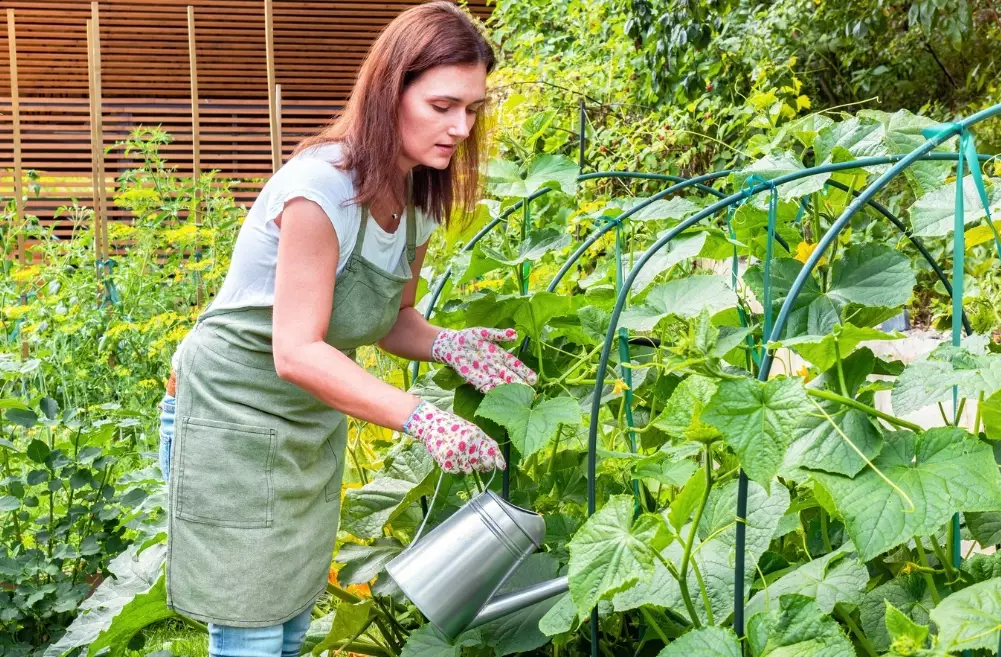
What's Inside (Jump Ahead)
Forget the calendar. Your watering frequency should come from a quick physical check, not a fixed day-of-the-week habit. After you've done it a few times, the check takes less than thirty seconds.
The One-Inch Rule (And Why It Fails)
You've probably read that a vegetable garden needs about an inch of water per week. That's a decent starting point, but it's incomplete. An inch of water can evaporate entirely within two days on sandy soil during a heatwave. On heavy clay, that same inch can sit there and rot your roots if it doesn't drain. I've learned to treat that one-inch rule as a weekly target, not a daily mandate. Deliver it in one or two deep sessions, then stop.
My rule of thumb after ten years: For established plants, apply about one inch of water (roughly 0.6 gallons per square foot) every four to seven days depending on the soil. For sandy soil, lean toward every four days. For clay or compost-rich soil, every seven days is usually plenty.
How Often to Water by Plant Stage
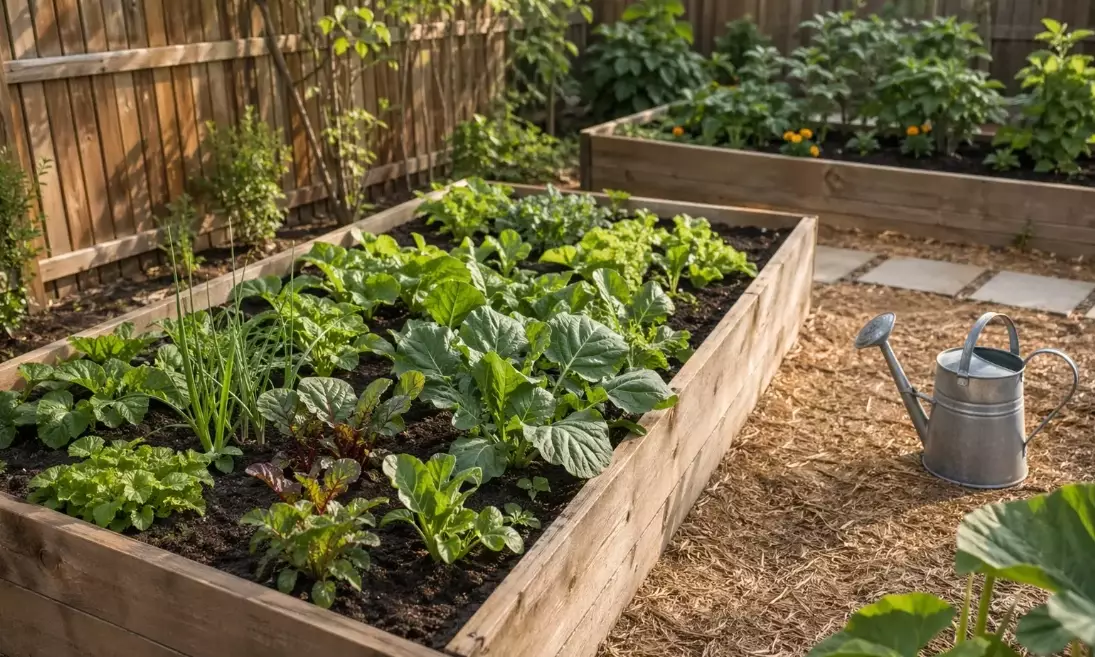
Seedlings and mature plants are completely different beasts. Here's how I break it down, based on my own trial and error in both raised beds and in-ground plots.
| Plant Stage | Typical Watering Frequency (Mild Weather) | Key Sign of Thirst |
|---|---|---|
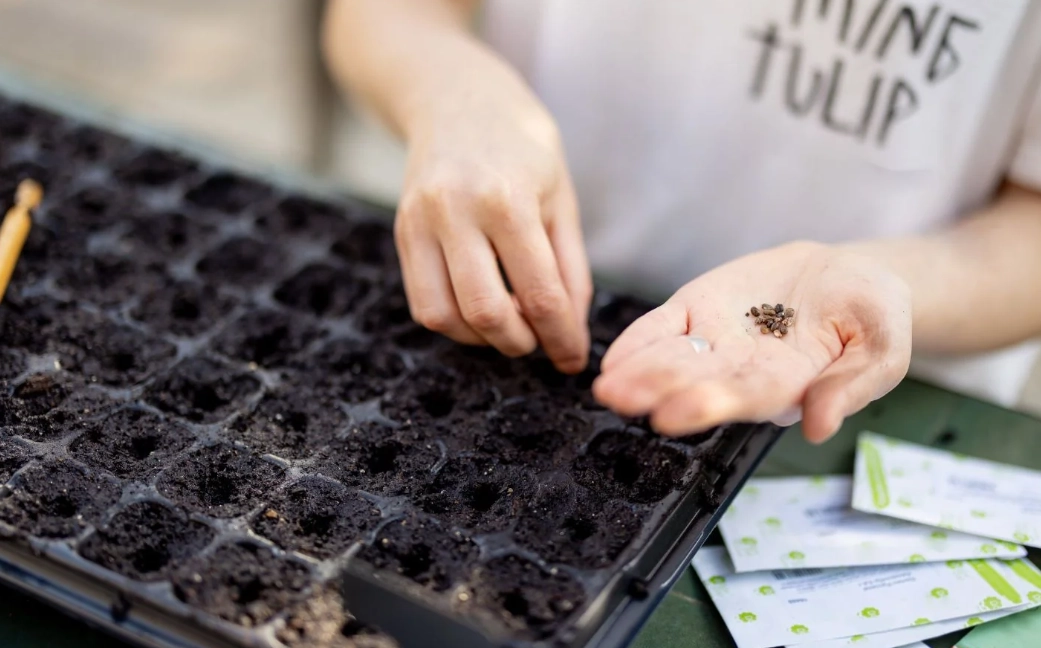
| Seeds & sprouting | Every day, very lightly (surface must stay moist) | Soil pulls away from edges of the tray |
| Seedlings (2-4 leaves) | Every 2-3 days, moderate soak | Top inch of soil feels dry to the finger |
| Established leafy greens | Every 3-5 days | Leaves look slightly dull; container weight feels light |
| Fruiting plants (tomato, pepper, squash) | Every 4-7 days, deeply | Deeper soil at 3 inches feels dry; slight wilting at midday |
| Root crops (carrot, beet) | Every 5-7 days, evenly moist | Shoulder of root pushes up and looks rough |
Midday wilting can trick you. Tomatoes often droop slightly around 2 p.m. even when soil is moist. Don't rush for the hose. Wait until evening. If the leaves have perked up by then, the plant was simply protecting itself from the sun, not dehydrated.
Reading Your Soil: A 30-Second Test
Here's what I actually do when I walk into my garden. I shove my index finger into the soil up to the second knuckle. Pull it out. The soil that clings to my fingertip tells me everything.
- Dusty and falls off immediately: Too dry. Water deeply today.
- Cool, damp, clings slightly: Just right. Skip today.
- Muddy or slick, water drips out of the hole: Too wet. Back off for several days.
I also pay attention to earthworms. If I dig a small hole and see two or three earthworms wriggling in the top six inches, the soil is healthy and moist. If it's bone dry, no worms—time to water.
I once lost a whole bed of arugula because I followed a "water every two days" app instead of my finger. The soil was still damp from a heavy rain, and the roots suffocated. That was the last time I trusted a generic schedule. The finger test is free and never lies.
Weather Rules That Override Schedules
Temperature and wind can double your water needs overnight. A few scenarios I plan for:
- Heatwave (over 90°F for days): Add one extra deep watering per week for fruiting crops. For containers, check daily—they dry out fast.
- Cool, cloudy stretch: Stretch the interval by two or three days. Soil stays cool and evaporation slows to a crawl.
- Windy days: Wind sucks moisture from leaves and soil. After a windy day, I'll do the finger test in the evening and water if the top two inches are dry.
Rainfall counts, but don't assume a light shower soaked in. I place a small straight-sided can (like a cleaned tuna can) in the garden. An inch of water in the can means the garden got an inch. A quarter-inch means I still owe the plants three-quarters of an inch.
Deep Watering vs. Shallow Sprinkling
This is the piece most people miss. How you water matters almost as much as how often. Shallow sprinkling every evening leads to shallow roots. Those roots then depend on you for survival, and the first hot day without water turns the garden into a wilt-fest.
Deep watering pushes roots downward. I use a watering wand or a soaker hose and let it run long enough that the moisture reaches six to eight inches down. That usually means 20 to 30 minutes of gentle flow per bed, not a quick five-minute spray. Yes, it's more water at once, but you'll water less often overall.
Early morning is the best time. Watering in the evening leaves foliage wet overnight, which invites fungal problems. Midday watering is better than nothing but loses some to evaporation. If I can't do morning, I water late afternoon and try to keep leaves dry.
Common Mistakes I See in Other Gardens
I volunteer at a community garden, and the same watering errors pop up every season. Here are the fixes:
- Watering by the calendar, not the soil. Two neighbors with identical beds can water on completely different schedules. Check the soil first.
- Ignoring the mulch layer. A two-inch layer of straw or leaves cuts your watering frequency by nearly half in summer. I mulch everything except the seed rows.
- Getting leaves wet with overhead sprinklers. Fungal diseases love wet leaves. Water at the base, not from above.
- Forgiving the "soggy spot" near a downspout. Compaction and poor drainage kill more plants than drought. If a spot stays wet for days, mix in compost and plant thirsty crops there—or avoid it entirely.
Frequently Asked Questions
At the end of the day, your finger is the best tool you own. I've coached dozens of new gardeners, and the ones who learn to check the soil before turning the tap end up with stronger plants and fewer problems. Build that 30-second habit, and you'll naturally find your garden's unique rhythm.
This article was fact-checked against a decade of personal garden logs and cross-referenced with Cooperative Extension guidance on vegetable garden irrigation.
Leave a Comment