
What's in this guide
If you've ever walked out at 7 a.m. to find a row of basil seedlings reduced to bare stems, you know the feeling. I've lost entire trays of lettuce starts to slugs in a single damp night—and I've spent more than a decade testing ways to stop it.
Here's the thing: the internet is drowning in slug advice that sounds clever but doesn't hold up in a real garden. Copper tape? Works sometimes, if you apply it like you mean it. Beer traps? They do more harm than good in some setups. I'm going to walk you through what actually stops slugs from chewing your seedlings to the ground, based on trials in my own raised beds and notes from market gardeners I've visited.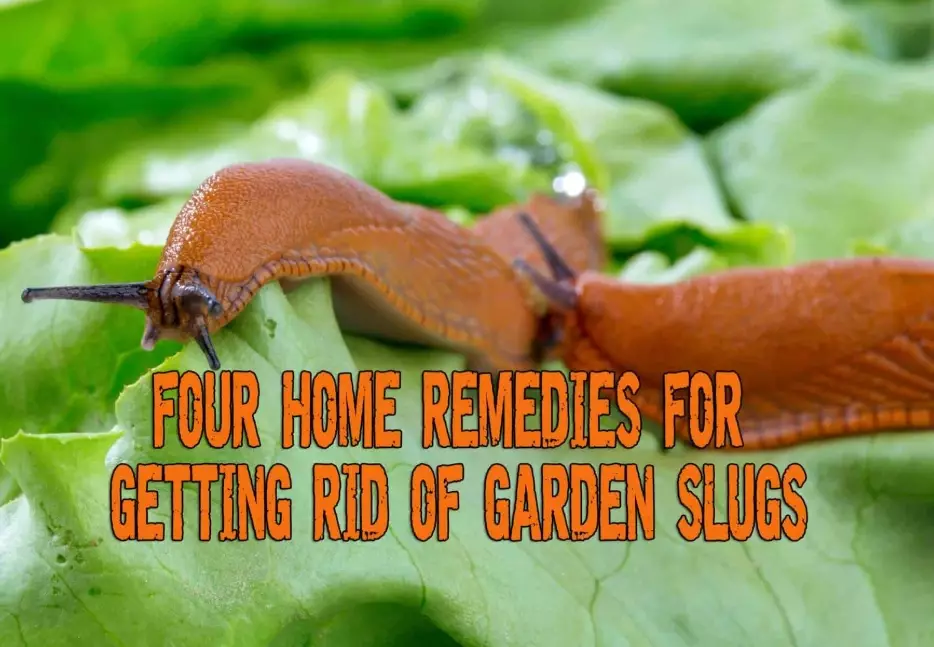
Why Slugs Target Seedlings (And When)
Seedlings are basically a slug buffet. Tender, thin cell walls. High moisture. Easy access. A mature kale plant can shrug off some nibbling, but a two-week-old broccoli start? One slug can end it.
Slugs are night feeders, mostly. Warm, wet evenings after a rain bring them out in force. And here's a detail most guides skip: slugs can smell seedlings before they even emerge. They're drawn to sugars leaking from germinating seeds.
Timing tip: In my garden, the worst damage happens 3 to 7 days after planting out. That's when the seedlings are still adjusting to outdoor soil and release more exudates from their roots. I check every morning during that window—no exceptions.
7 Methods That Actually Work
Let's get into the specific tactics. I'm ranking these by how well they've performed for me, not by internet popularity.
1. Night Patrols (Yes, Really)
This is the method nobody talks about because it isn't glamorous. Take a flashlight out at 10 p.m. after a wet day. Pick slugs off by hand and drop them in a bucket of soapy water. In a 4-by-8-foot raised bed, I typically find 15–30 slugs per patrol during peak season.
Do this for four nights in a row after planting. It interrupts the feeding cycle at its most vulnerable point.
2. Diatomaceous Earth: Only If It's Bone Dry
Diatomaceous earth (DE) has a reputation problem. People sprinkle it on damp soil and wonder why slugs waltz right over it. DE only kills when it's dry—it clings to the slug's slime layer and scratches its skin. Once it absorbs moisture, it's useless.
I apply DE in a 3-inch band around seedling rows, then reapply after any rain. The garden center sells a 4-pound bag for around $12. Use a dust mask when applying.
What I got wrong: I once applied DE in a light drizzle, thinking it would still work. The slugs crossed it in under 20 seconds. Save your money and wait for a dry evening.
3. Copper Rings: The Application Is Everything
Copper creates a tiny electrical charge on the slug's slime, which deters them. But here's the catch: copper only works if the band is wide enough. I use a 4-inch wide copper tape wrapped around the rim of a raised bed, not a pot. For individual seedlings, a ring of copper foil 3 inches high works—but the bottom edge must be buried a quarter-inch into the soil. If slugs can squeeze under, the whole thing is theater.
Downside: copper tape costs about $10 per 15 feet, and it oxidizes in soil. Replace every two seasons.
4. Nematodes: Timing Is the Whole Trick
Phasmarhabditis hermaphrodita—a microscopic nematode that infects and kills slugs—is the most effective biological control I've used. But most people apply it at the wrong time.
Here's the non-obvious part: the nematodes need soil temperatures above 50°F (10°C) and damp conditions to survive. In my Zone 7 garden, I apply them in mid-May, three days after planting out, when the soil has warmed but the seedlings are still small enough to be vulnerable. The nematodes take 5–7 days to kill the slugs, so if you wait until damage appears, you're already behind.
One box of nematodes (treats about 100 square feet) costs roughly $25–$35. Mix with water and spray onto damp soil, then water again lightly to move them into the top inch.
5. Barrier Traps: Not What You Think
I'm not talking about beer traps. I'm talking about inverted melon rinds, cabbage leaves, or damp cardboard laid flat on the soil between seedlings. Slugs gather under these during the day. I check them each morning and dispose of the slugs. In a side-by-side test in my beds, a single half-melon rind collected 11 slugs in two days. A beer trap 6 feet away collected 4—and nine drowned beneficial ground beetles.
6. Watering Schedule Changes
Slugs don't need much water—they're 80% water. But wet surface soil is a highway. I switched from evening watering to early-morning watering around 6 a.m. The surface dries out before dusk, and slug activity drops noticeably. This won't stop rain, but it cuts the population that arrives on your young plants.
7. Companion Planting: The Real Deal
I've found two companions that actually reduce slug pressure on seedlings: a thick border of rosemary (slugs avoid the aromatic oils) and a small patch of clover left to grow between my rows. Clover acts as a decoy—slugs eat it instead of the vegetable starts. In one bed, my lettuce loss dropped from roughly half to under 10% when I let a clover border establish.
Common Mistakes and What I Learned
Let me call out a few things I've seen even experienced gardeners do wrong.
Case note: A friend of mine in Portland applied salt around her seedlings. She thought she was being clever—salt kills slugs, right? It killed three of her basil plants too. Salt changes soil pH and draws water out of seedling roots. Avoid it entirely. I haven't found a justified use for salt in a vegetable bed.
The other big mistake: starting the slug battle in spring. Slugs overwinter in soil and emerge when it warms. I now go out on the first warm evening in late winter (usually February where I live) and lay down a few damp boards. The first patrol of the season takes maybe 10 minutes and catches the early risers before they breed. That single night of early work saved me double the effort in April.
Quick Reference Table
Here's a side-by-side look at the methods above, distilled into what you actually need to decide.
| Method | Best For | Cost (Approx.) | Key Requirement | My Rating |
|---|---|---|---|---|
| Night hand-picking | Small beds, early season | Free | Consistency for 4–7 nights | High |
| Diatomaceous earth | Dry climates, borders | ~$12 per bag | Must stay bone dry | Medium |
| Copper rings | Containers, raised beds | ~$10 per 15 ft | Wide band, buried edge | Medium |
| Nematodes | Large beds, organic gardens | $25–$35 per box | Soil above 50°F, damp | High |
| Decoy traps (melon rind) | All gardens | Free or cheap | Daily checking | High |
| Morning watering | All gardens | Free | Change existing habit | Medium |
| Companion planting | Larger plots, long-term | Cost of seeds | Patience for clover to establish | Medium-High |
Answering Real Garden Questions
Slugs are nocturnal and hide in the top inch of soil or under debris during daylight. By the time you're out at noon, they're already tucked away. The solution isn't daytime checking—it's a single 10 p.m. walk with a flashlight. I've found that 90% of visible slug damage happens between 11 p.m. and 3 a.m. If you can only do one thing, do that late-night patrol.
Yes, but only when the tape is wide enough and the setup is physically sound. A 1-inch strip of copper tape is a joke—slugs will cross it in seconds. You need a band at least 3–4 inches wide, and the bottom edge must sit flush or be buried slightly. I use copper foil around raised bed rims, not on individual pot rims, because pots wobble and leave gaps. If you see any gap larger than a grain of rice, fix it or the slugs will find it.
They're not useless, but they're overrated—and they have a hidden cost. Beer traps attract slugs from a wide area, and they also drown ground beetles that eat slug eggs. In my own trial, a single beer trap caught 4 slugs over 48 hours while a half-melon rind 6 feet away caught 11 slugs. I stopped using beer traps entirely. If you do use one, sink the rim a half-inch above soil level and dump it daily. Don't leave it out for weeks.
Nematodes are living organisms—they need soil above 50°F (10°C) and consistent moisture. In my area, the cutoff is early October, but in cooler regions it's mid-September. The real mistake I see is applying nematodes to dry soil and expecting them to travel. Water the bed deeply the day before, apply the nematodes in the evening (UV light kills them), and water again lightly. If you apply them in a heatwave or a drought, you're wasting $30.
I've tested all of these methods across multiple seasons. The combination that's worked best for me is a single nematode application in mid-May, nightly hand-picking for the first week after planting, and morning watering. Everything else is backup. You don't need to do all seven—pick two or three that fit your setup.
Leave a Comment