
My first vegetable garden was a disaster. I planted basil in a shady spot next to my garage. Six plants, all dead within three weeks. That was ten years ago. Since then I've built raised beds in three different backyards, killed fewer plants each season, and learned that how to start a vegetable garden isn't about having a green thumb. It's about getting the fundamentals right before you buy a single seed packet.
What's in this guide (jump ahead)
Pick the Right Spot (Sun Wins Every Time)
Most beginners obsess over soil or seeds. The real killer is shade. Vegetables need six to eight hours of direct sun. Not dappled light through a tree. Not morning sun only. Direct, unfiltered sun.
I made this mistake with that basil. The spot looked bright to me. But I checked later with a cheap sun calculator app, and it got maybe three hours of real sun. Basil sulked and died. Tomatoes never stood a chance.
Here's what I do now: on a sunny day, I mark the proposed bed area with four stakes. I check it at 9 a.m., noon, and 3 p.m. If any of those times shows shade in the middle of the patch, I move the stakes. Simple.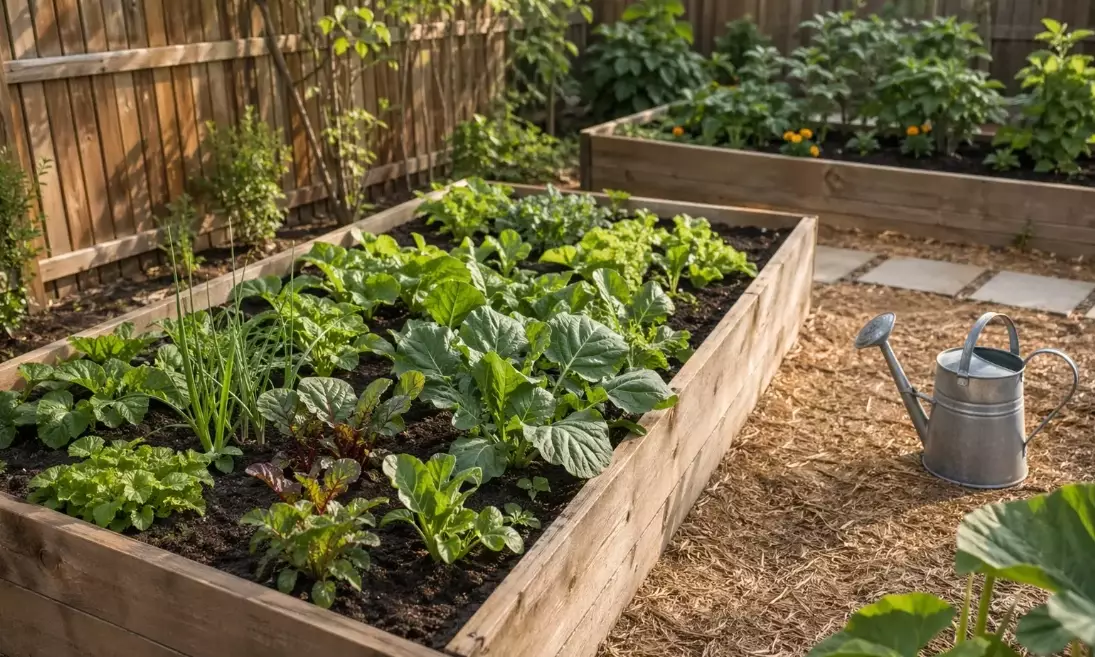
Raised Bed vs. In-Ground: What Actually Works
You'll hear that raised beds solve everything. They don't. But for most beginners with mediocre backyard soil, raised beds give you a huge head start. I've done both. My in-ground plot had clay soil so compacted that carrots came out as stubs. The raised bed next to it produced foot-long carrots the same season.
Here's a quick comparison based on my own experience:
| Factor | Raised Bed (4x8 ft) | In-Ground Plot |
|---|---|---|
| Setup cost | $80–$150 for lumber and soil | Near zero if you have a tiller |
| Soil quality control | Total control—you mix it | Depends on your existing dirt |
| Weeding effort | Low if you use weed barrier | High—bindweed took over my plot |
| Drainage | Excellent | Poor in clay, waterlogged in spring |
| Best for | Beginners, bad soil, small spaces | Large plots, budget gardeners |
One thing nobody told me: cedar boards last about five years. Pine lasts three. I tried a cheap pine bed and replaced it after two seasons because the bottom rotted out. Cedar costs more upfront but saves you a rebuild.
The Soil Mix That Saved My Garden
Soil is where I see beginners cheap out. They fill a raised bed with topsoil from a hardware store and wonder why plants stall. That bagged "topsoil" is often mostly fill dirt with zero organic matter.
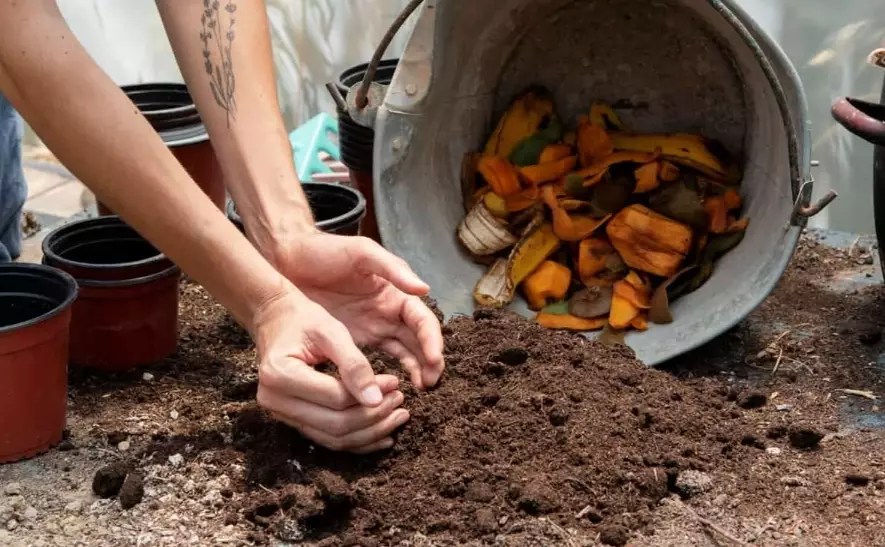
My mix, which I now use for every new bed: 60% screened topsoil, 30% compost (I use a local mushroom compost), 10% coarse sand for drainage. I blend it in a wheelbarrow, not in the bed, so I can break up clumps. Then I water it deeply and let it settle for a week before planting.
What to Plant First (and What to Skip)
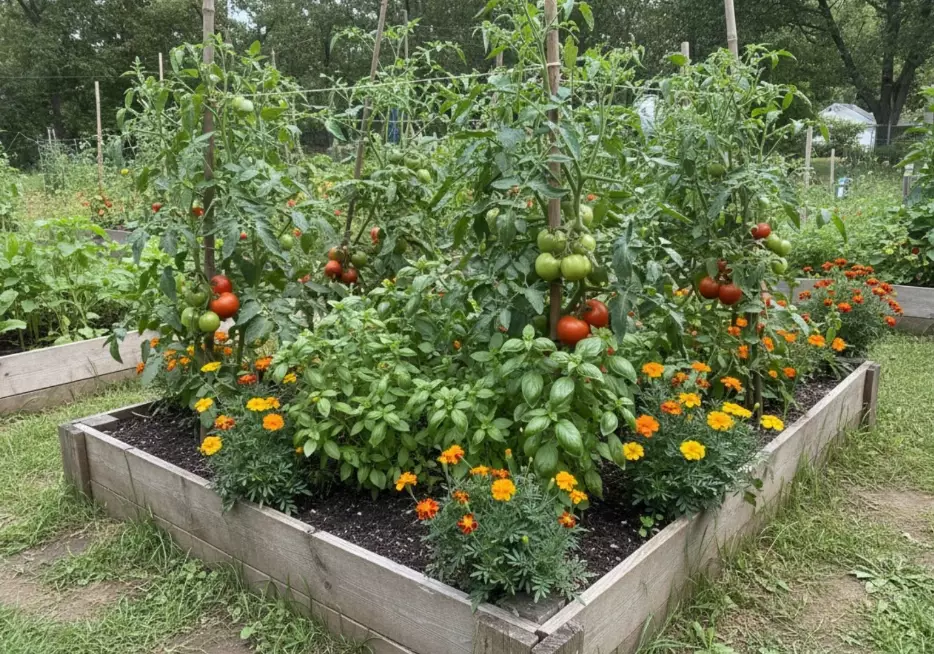
New gardeners buy tomato seedlings because tomatoes feel like the reward. Then they watch them struggle. Tomatoes are finicky—they need consistent watering, calcium, and staking.
Start with these instead:
- Radishes — ready in 25 days, almost impossible to kill, loosens soil as they grow.
- Bush beans — fix nitrogen in the soil, produce heavily, need zero support.
- Zucchini — one plant feeds a family. I'm not exaggerating. One plant gave me 14 zucchinis last July.
- Leaf lettuce — cut-and-come-again, thrives in spring and fall, bolts in summer heat.
Skip for your first year: cauliflower (needs perfect timing), celery (bitter and fussy), and eggplant (flea beetles destroyed mine two years straight).
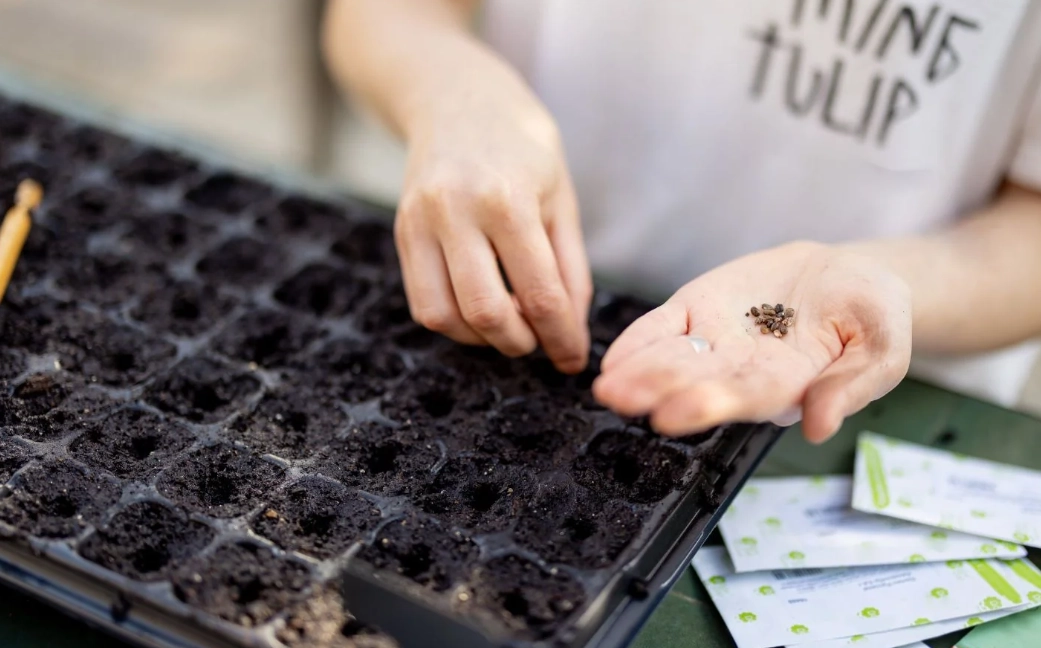
I plant radish seeds in a grid pattern, about 1 inch apart, and harvest every other one as they sprout. That gives me salad radishes in under a month while the slower crops catch up. The gaps left behind let me succession-plant lettuce.
Watering Rules I Learned the Hard Way
Overwatering kills more beginner gardens than drought. I drowned a whole row of bean seedlings one rainy June because I kept watering on schedule. Schedules are useless. Stick your finger in the soil up to the second knuckle. If it's moist, walk away.
Morning watering beats evening watering. Evening water sits on leaves overnight and invites mildew. I water at 7 a.m. before work, directly at the base of each plant, never on the leaves.
One more thing: mulch. A 2-inch layer of straw or shredded leaves cuts watering frequency in half. I skipped mulch my first year and spent every evening dragging a hose around. Never again.
FAQ: Real Questions From Real Beginners
Ten years in, I still lose plants. Last summer a hailstorm shredded my chard. The garden isn't about perfection—it's about showing up, checking the soil with your fingers, and noticing what the plants tell you. Start small. One bed. Four crops. You'll learn more from one season of paying attention than from any book.
This guide was fact-checked against cooperative extension service recommendations for home vegetable gardens.
Leave a Comment