
The Shortcut I Wish I Had
I killed my first three trays of tomato seedlings. Not because the seeds were bad — they germinated fine. The problem was everything after that. Seed starting for beginners looks simple online: dirt, water, light, wait. In reality, the first two weeks are where most people lose the crop. This guide skips the romantic stuff and focuses on the five decisions that actually determine whether you end up with stocky transplants or leggy green noodles.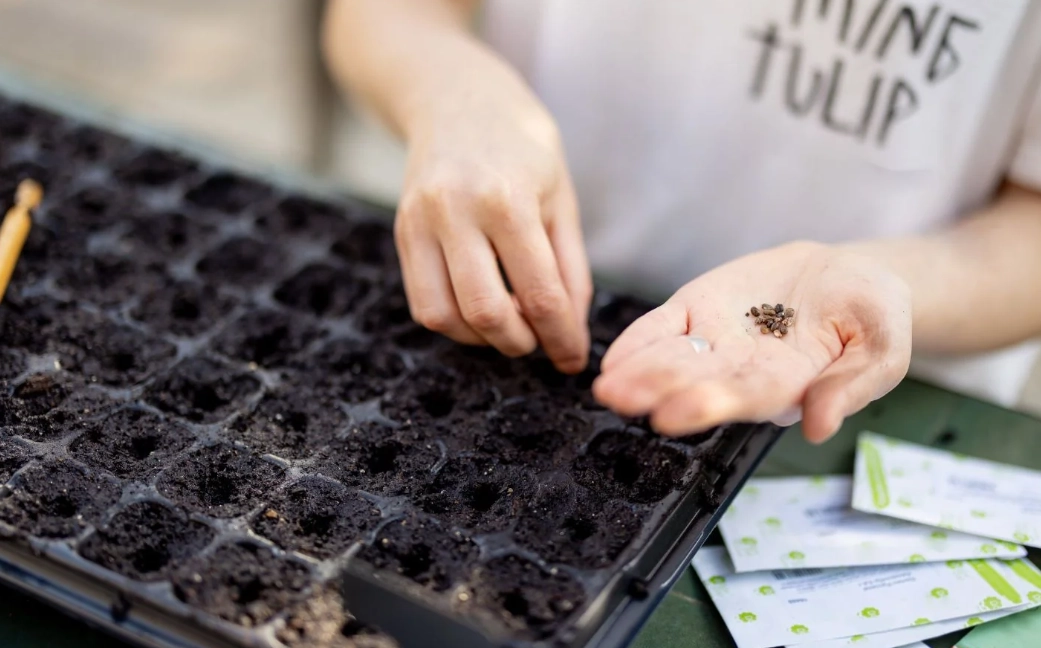
Why Your Seeds Fail (It's Almost Never the Seed)
Every spring I watch people blame the seed packet. They buy new seeds after one failed tray. In my experience, germination failure comes down to two things: soil temperature and moisture consistency. Most vegetable seeds need a soil temp between 70°F and 80°F to sprout reliably. A windowsill in March is often 60°F at night. That ten-degree gap can turn a 7-day germination into a 21-day no-show.
Here's the non-consensus part: you don't need a fancy heat mat to fix this. I use a cheap seedling heat mat only for peppers and eggplant. For tomatoes and brassicas, I place trays on top of my refrigerator for the first five days. The ambient warmth from the fridge compressor is steady and free. Once I see green, they move to the light shelf immediately. Leaving them on the fridge one extra day is the difference between a strong stem and a stretched-out mess.
The Seed Starting Mix Mistake That Costs You Weeks
Do not use garden soil indoors. I mean it. Garden soil compacts in small cells, drains poorly, and brings fungus gnats and damping-off spores straight into your living room. You need a seed starting mix — a soilless blend of peat moss or coir, perlite, and vermiculite. It holds moisture without staying soggy and lets roots push through easily.
What most beginners miss: pre-moistening the mix before filling cells. Dry mix repels water at first. If you fill dry and water from the top, the water channels down the sides and leaves the center bone dry. I dump the mix into a bucket, add water slowly while mixing with my hand until it feels like a wrung-out sponge, then fill the trays. That single step stops 80 percent of the “my seeds never sprouted” complaints I hear.
How Far Should Grow Lights Be? A Real Number
Seedlings need 14 to 16 hours of light per day. A south-facing window in winter gives you maybe 6 usable hours, and the light comes from one direction. That's why seedlings lean. A basic shop light with two 32-watt T8 fluorescent tubes works fine for a beginner. The distance matters more than the brand.
Keep the light 2 to 3 inches above the tallest seedling. Not 12 inches. Not “somewhere above.” Two to three inches. I check mine every morning and raise the light by one chain link when the leaves get close. If you see stems stretching and leaning hard toward the light, you waited too long to lower the fixture. Legginess is permanent — you can't fix a stretched stem later, only bury it deeper at transplant time.
The Bottom-Watering Trick I Use Every Single Time
Top watering with a watering can knocks seedlings over and splashes soil onto leaves, which invites damping-off. I bottom-water exclusively. Here's my setup: a standard 1020 tray with cells sits inside a solid no-hole tray. I pour water into the solid tray until it's about a quarter inch deep. The cells wick it up in 15 to 20 minutes. Then I dump out whatever's left. No standing water after 30 minutes.
If you can't tell whether they need water, lift the tray. A dry tray is light. A wet tray is heavy. That weight test beats any moisture meter for a beginner. I learned it from an old grower at a farmers market in Vermont who told me, “Your hand knows before your eyes do.” He was right.
A quick note on air flow
Run a small oscillating fan on low, six to eight feet away, for two hours a day. This strengthens stems and reduces mold. I skipped this my first year and ended up with fuzzy white mold on the surface of half my cells. Not a disaster, but not a good look either.
Questions Beginners Actually Ask
Why do my seedlings get tall and skinny even with a grow light?
Your light is too far away, almost always. Move it so it sits 2 inches above the leaves. Also check the hours — 12 hours is not enough for tomatoes or peppers. Bump to 14–16. If the stems are already stretched, brush them gently with your hand for a minute a day to simulate wind and trigger thicker growth.
Can I use potting soil instead of seed starting mix?
You can, but the results are worse. Regular potting soil has fertilizer that can burn tender young roots and it's usually denser. That density holds too much water in small cells. A 2-quart bag of seed starting mix costs less than a coffee, and it removes a whole category of problems.
How do I know when to move seedlings out of the seed tray?
When you see the first set of true leaves — not the round cotyledon leaves, the next ones that look like tiny versions of the mature plant. That's when I pot up into 3-inch containers with fresh mix. Waiting longer crowds roots and stunts growth. The roots will spiral in the cell and take weeks to recover.
None of this requires expensive gear. A shop light, a heat mat for the warm-season crops, a solid tray, and a fan cover it. The rest is paying attention. Seed starting for beginners is less about technique and more about not skipping the boring details — pre-moistening, checking light height, and dumping standing water. Get those right and your trays will fill up faster than you expect.
Leave a Comment