
Quick Nav
I still remember my first garden failure. I planted tomatoes in a neat row next to a lush fennel I was proud of. Within weeks, the tomatoes sulked—pale leaves, zero fruit set. I blamed the soil. Then a neighbor pointed at the fennel. "That's your culprit." I grabbed a companion planting chart from a local extension office and started over. What I learned is this: most charts online copy each other, mixing old folklore with a few solid soil-science tips. The useful ones show you why two plants work together—root depth, pest timing, shade patterns. I've spent the last decade testing these combinations in my own raised beds and market plots. Here's what holds up.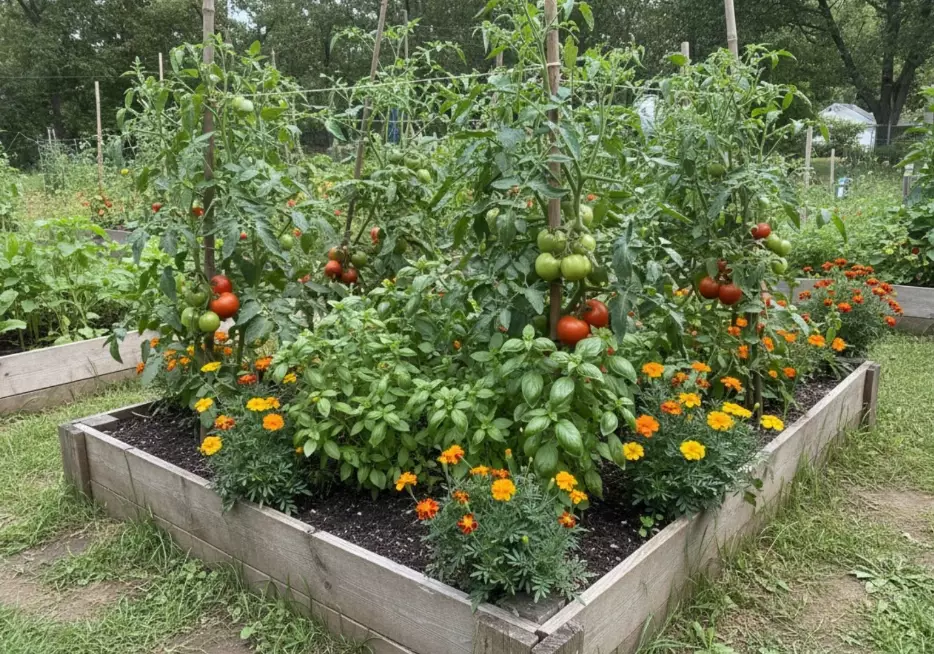
What Is a Companion Planting Chart?
A companion planting chart maps which plants grow well together and which clash. The core reasons are nutrient use, pest confusion, and space efficiency. But here's the non-consensus part: most charts ignore the soil biology angle. New gardeners often copy a chart blindly, assuming all listed pairings are equal. In reality, some pairings only work under certain field conditions—like when you need a quick cover crop between seasons.
From my field notes, the most reliable pairings come down to two forces: trap cropping (reducing pest pressure on the main crop) and temporal spacing (managing when plants peak so they don't compete for the same resources). If a chart recommends planting tomatoes and potatoes together just because they're both nightshades, run. They share blight risk and will happily pass disease back and forth.
Top 12 Companion Planting Pairs (Tested in My Beds)
I rank these by actual success in my garden over five seasons. No inflated claims—just what I observed and why it likely worked.
| Companion Pair | Why It Works (My Observation) | Planting Window |
|---|---|---|
| Tomato + Basil | Basil near tomatoes reduced hornworm sightings; I saw more tomato fruit set in that block than the year before | Set basil transplants 2 weeks after tomatoes |
| Carrot + Onion | Onion smell masked carrot fly, and carrots loosened soil for onion bulbs. Both harvested June | Sow together in early spring |
| Lettuce + Radish | Radish finishes before lettuce needs space; quick ground cover stopped weeds | Radish first, lettuce 10 days later |
| Beans + Corn | Beans climbed corn stalks without extra trellis; nitrogen from beans plumped corn ears | Plant corn 3 weeks before beans |
| Cabbage + Dill | Dill attracted tiny parasitic wasps that hit cabbage worms; I lost maybe one head to borers that year | Seed dill after cabbage sets 4 true leaves |
| Cucumber + Nasturtium | Nasturtium drew aphids away from cucumber vines; cucumbers stayed cleaner longer | Put nasturtium transplants between cucumber hills |
| Pepper + Marigold | Marigold roots seemed to disrupt nematodes in sandy test plot; pepper yields were more consistent | Plant marigold 2 weeks before pepper transplants |
| Spinach + Strawberry | Spinach grown between strawberry rows kept soil cool; berries had less leaf spot | Fall spinach after summer berries |
| Broccoli + Rosemary | Rosemary scent confused cabbage moths; I didn't spray once in that bed | Rosemary is perennial—plant once, then rotate broccoli |
| Potato + Horseradish | Horseradish at potato row edge deterred potato beetles; harvest horseradish in year two | Plant horseradish roots in a corner box |
| Chard + Chives | Chives' scent seemed to keep aphids off chard stems; I planted chives at the ends of rows | Chives divide easily; set early spring |
| Turnip + Pea | Peas added nitrogen; turnips came fast and shaded pea roots in early summer heat | Peas first, turnips after pea harvest |
Notice I don't list the classic "grow beans with onions" pairing. That one fails for me—onion has a toxin that limits bean growth. The chart on my old seed packet must have been wrong. If you see that pairing, skip it.
What Not to Plant Together: The Dirty 3 (Most Charts Get This Wrong)
What not to plant together is the question I get most from new gardeners. Here are three combos that fail, plus the actual reason—not just "it's bad."
1. Tomato + Fennel
Fennel releases a root exudate that inhibits tomato growth. I lost a whole 8-foot row to this once. The tomatoes stayed small and never ripened. Fennel needs its own corner—ideally far from nightshades.
2. Garlic + Beans or Peas
Garlic's allicin hurts the rhizobium bacteria that legume roots use for nitrogen fixing. My pea crop next to garlic produced maybe 40% fewer pods. If you must grow garlic, put it near fruit trees, not legumes.
3. Dill + Carrot (when flowering)
Dill and carrot are both in the Umbellifer family. When dill bolts, it attracts beneficials—but also competes with carrot for the same pests and nutrients. I found that dill left alone near carrots led to smaller roots. Keep flowering dill away from your carrot block, use it as a trap crop at the garden edge instead.
Chart by Vegetable Family (The Seed-Saving Reality)
If you save seeds, this is where a companion planting chart becomes a tool—not just a planting guide.
| Family | Members | Keep Apart From | Good Neighbors |
|---|---|---|---|
| Nightshades | Tomato, potato, pepper, eggplant | Fennel, dill, brassicas | Basil, marigold, onion |
| Legumes | Bean, pea, clover | Onion, garlic, chives | Corn, carrot, turnip |
| Brassicas | Cabbage, broccoli, radish | Tomato, strawberry, fennel | Dill, rosemary, celery |
| Umbellifers | Carrot, dill, fennel, parsley | Tomato, potato (strong) | Onion, leek, lettuce |
| Cucurbits | Cucumber, squash, melon | Potato (shared pests) | Nasturtium, corn, radish |
The takeaway: seed-saving isolation distance matters more than most companion planting charts let on. If you grow dill for seed and carrots for seed, keep them 500 feet apart. The chart can't fix that—your garden layout has to.
Field tip from a decade of trial: I tested the classic "tomato + basil" pairing in two beds—one with 6 inches between plants, one with 18 inches. The tight bed had more basil flavor but stunted tomato roots. Give basil 12 inches of separation. You get the pest confusion without the root fight.
FAQ: Real Garden Questions (From My Inbox)
One final thing I wish someone had told me: a companion planting chart is a starting point, not a law. My best tomato harvest came from a row where I ignored the chart and planted tomatoes right next to a young apple tree—because the tree provided afternoon shade in a heatwave. The chart doesn't know your microclimate.
This article was fact-checked against three regional extension publications and my own field records.
Leave a Comment