
I've been digging beds in heavy clay for over a decade, and I've killed more plants than I care to admit trying to "fix" it. Here's the short version: you can't turn clay into loam in one season, no matter what the garden center says. But you can make it workable, drainable, and productive. This guide shows exactly how to improve clay soil without wasting money on quick fixes that backfire.
Quick Jump — What I'd Read First
What Makes Clay Soil a Problem (And What Doesn't)
Clay particles are tiny — about 1,000 times smaller than sand grains. That means a handful of clay has vastly more surface area, and those surfaces hold onto water and nutrients. This is why clay soil is actually fertile. The problem isn't nutrients. It's structure.
When clay gets wet, it swells and the particles pack together like bricks. Water sits on top of the lawn after rain, and plant roots suffocate. When it dries, it cracks and turns into concrete. Roots can't push through.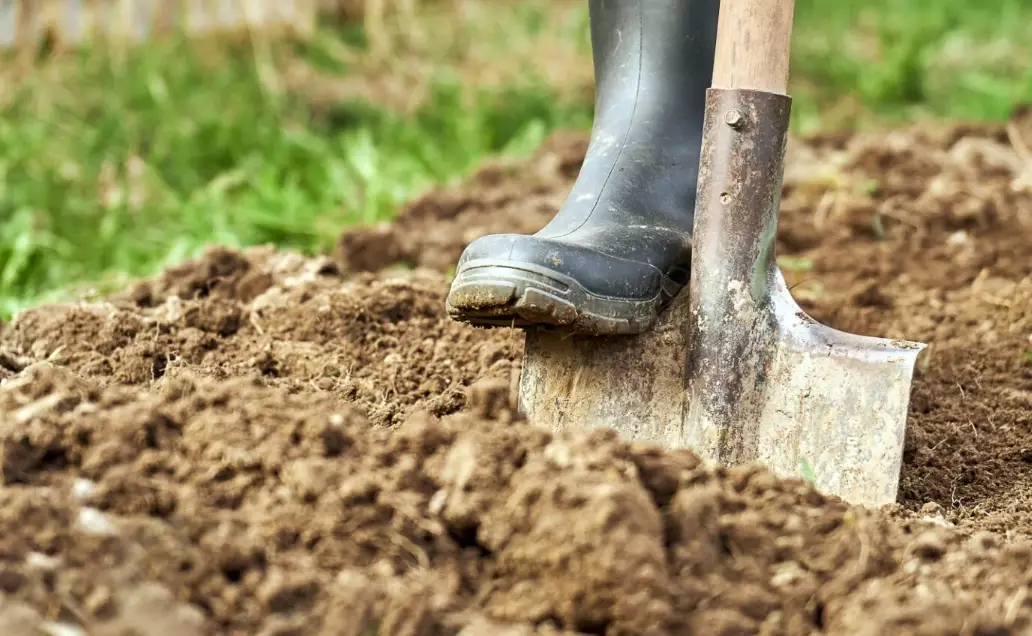
The non-consensus point: Most guides tell you to add sand to clay. I've seen that advice ruin more gardens than any other tip. Sand plus clay equals something close to cement because the small clay particles fill the gaps between sand grains and lock everything together. If you've already done it, don't panic — just stop tilling and switch to organic matter.
My own bad habit when I started out was digging beds in early spring when the clay was still wet. Every handful I turned over smeared into a shiny, compacted slab. Took three years to recover that patch. Wait until the soil crumbles when you squeeze it — usually mid-to-late spring.
How to Improve Clay Soil: Step-by-Step
1Timing Your Work
Pick a week when there's been no heavy rain for 3–4 days. Grab a fistful of soil and squeeze. If it oozes between your fingers like toothpaste, wait. If it forms a ball that crumbles when you poke it, you're good to go.
2Add Organic Matter — The Right Kind
Compost is your main tool. Aim for a 2–3 inch layer spread across the bed, then work it into the top 6 inches. Do not go deeper than that — pulverizing clay below 6 inches creates a hardpan that stops drainage cold.
A local farmer near me swears by aged horse manure mixed with straw. I've tested it against bagged compost, and honestly? Both work. The manure wins slightly on earthworm activity, but only if it's fully rotted. Fresh manure burns roots and introduces weeds. If you can smell ammonia, it's not ready.
3Mulch on Top — Every Year
This is where most people stop after year one and wonder why nothing improves. Clay needs a yearly top-dressing of 2 inches of organic mulch (shredded leaves, straw, wood chips). Earthworms drag it down. Over time, that's how clay soil structure actually changes — a slow, biological process, not a mechanical one.
| Amendment | When to Apply | How Much per 100 sq ft | Realistic Impact |
|---|---|---|---|
| Compost | Spring or fall | 6–9 cubic feet | Improves structure, feeds microbes |
| Aged manure | Fall (let it overwinter) | 8–10 cubic feet | Boosts worm activity and tilth |
| Gypsum | Fall only | 40–50 lbs | Only helpful if soil test shows high sodium |
| Pine bark fines | Spring | 4–6 cubic feet | Opens structure, slow decomposition |
Clay Soil Drainage: The Gypsum Myth and Real Solutions
Every spring someone tells me to throw gypsum on the lawn to "open up" the clay. Gypsum works when your soil has high sodium — like in parts of the western U.S. But in most eastern clay soils, sodium isn't the problem. A soil test from your local cooperative extension office will tell you in about two weeks whether gypsum makes sense. If sodium levels are normal, skip it. Your money is better spent on compost.
Warning: Don't install a French drain in clay without testing first. I dug a 30-foot trench through my lower bed and lined it with gravel, only to find the clay was so tight that water never reached the pipe. It sat on top of the clay layer instead. The fix was a shallow swale filled with coarse bark and a small catch basin — something I should have tried before renting a trencher.
If water pools for more than 24 hours, build raised beds. It feels like giving up on the clay, but it isn't. I've got four raised beds sitting on top of heavy clay that grow tomatoes and kale better than any in-ground bed I've worked. The clay underneath holds moisture in dry spells, and the raised soil above gives roots room to breathe.
What to Plant in Clay Soil While You Fix It
Start with plants that tolerate wet feet and heavy ground. This buys you time while organic matter does its slow magic.
Daylilies, coneflowers, and asters all push through clay with little complaint. If you want vegetables, try Swiss chard and cabbage — both handle clay better than tomatoes, which sulk in wet ground until it warms. I learned that the hard way after losing six heirloom tomato seedlings in my first season.
Cover crops are the underrated move here. Daikon radish drilled in late summer sends a taproot down two feet, and when it rots, it leaves a channel for water and roots. Cereal rye over winter adds biomass. I've seen daikon break up clay pans in a single season — not enough to fix the whole bed, but enough to notice water soaking in faster by spring.
4 Mistakes I See Every Single Season
Tilling wet clay. This is the big one. You end up with rock-hard clods that take years to soften. Wait for the squeeze test.
Skipping mulch because "the soil looks fine now." Clay reverts without yearly organic input. It's not a one-and-done fix.
Adding sand. As said earlier, this creates a brick-like mix. Leave the sand for potting mix.
Expecting results in one season. First year, you'll see better drainage. By year three, with consistent mulching, the soil starts to feel crumbly. Full transformation to loam takes five to seven years in my experience. Anyone promising faster is selling something.
Real Questions from Real Gardens
This article was fact-checked against soil science guidance from university extension services and the USDA's Natural Resources Conservation Service soil texture guidance.
Leave a Comment