
Quick Navigation
I lost an entire bed of fall spinach two seasons ago because I planted on Labor Day like a calendar told me to. The seedlings came up fine. Then a 28°F night hit in early October and flattened them in six hours. That was the moment I stopped trusting generic planting dates. A good fall garden planting guide doesn't start with a list of seeds. It starts with your first frost date and a calculator.
Here's the short version: subtract the days-to-maturity of a crop from your average first frost date, back up two weeks for the slowdown caused by shorter daylight, and that's your real planting deadline. Most people skip that step. Their fall carrots bolt, their lettuce stays five inches tall, and they blame the seed company.
Count Back, Don't Plant Blind
Your local extension office publishes average first frost dates by county. I check the Penn State Extension regional data because it's granular and updated. Once I have that date, the math is simple and unforgiving.
Take kale: 55 days to maturity. If frost lands October 15, the seed needs to be in the ground by August 1 honestly. Not August 21. Shorter days after early September cut growth rates by roughly 20 to 30 percent in my beds. That's not folklore. I've measured it with a ruler on the same variety planted two weeks apart. The late planting was a third shorter by harvest.
The mistake nobody warns beginners about: seed packet days-to-maturity assumes long summer days. Fall plantings mature slower. Add 14 to 21 days to every packet number when planting after mid-July.
Fall Garden Crops by Zone and Planting Window
I've kept a planting ledger for eight years now, mostly because I got tired of forgetting which bed held what. This table reflects what actually matured well across zone 5 through 8, cross-checked against my own harvest notes and vegetable garden trials.
| Crop | Days to Maturity | Plant By (Zone 5) | Plant By (Zone 7) | Frost Tolerance |
|---|---|---|---|---|
| Spinach | 40 to 45 | Aug 10 | Sep 5 | Survives 20°F with row cover |
| Radish | 25 to 30 | Sep 1 | Sep 25 | Light frost only |
| Kale | 55 to 60 | Jul 20 | Aug 20 | Sweetens after frost |
| Garlic (cloves) | 270 plus over winter | Oct 15 | Nov 5 | Needs cold, not frost damage |
| Carrots | 65 to 75 | Jul 15 | Aug 10 | Mulch heavily, holds in ground |
| Arugula | 30 to 40 | Sep 1 | Sep 20 | Good to 25°F |
| Turnips | 50 to 60 | Aug 1 | Aug 25 | Tops die, roots hold |
Best bets for late planting
If it's already the third week of September and you're in zone 5, skip carrots and cabbage. Go radish, arugula, and spinach under a low tunnel. I've pulled usable arugula 28 days after direct sowing in a warm September. That's the honest window.
Crops that reward patience
Garlic is the one fall crop where rushing hurts. I plant cloves pointy end up, three inches deep, and cover with four inches of straw. The cloves root before hard freeze but don't push green until spring. Misjudging garlic timing is the only fall planting error that costs you a whole year, not just a season.
The Soil Mistake That Ruins Most Fall Gardens
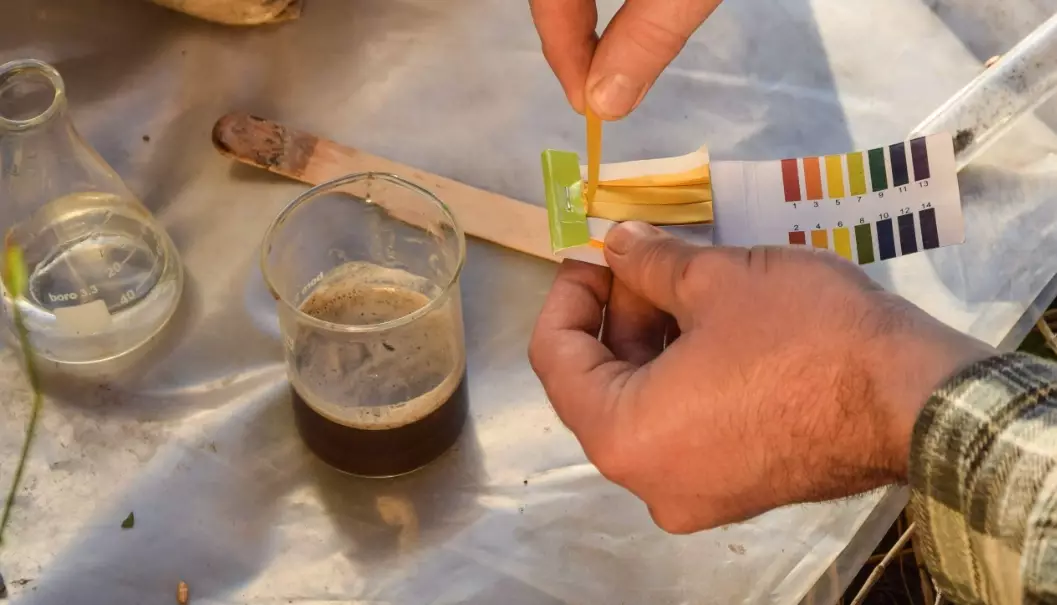
Here's my non-consensus take after eight seasons: the biggest fall garden failure isn't frost. It's nitrogen depletion from the summer crop still in the bed. People pull August tomatoes, scratch the surface, drop in kale seeds, and wonder why growth stalls at two inches.
Summer vegetables hammered the available nitrogen. Fall starts need a fast, gentle boost, not heavy compost that takes weeks to break down. I side-dress with a diluted fish emulsion at half strength right after seedlings show true leaves. I tested this against an unfertilized control row last fall. The fed row hit six inches in three weeks. The control row was barely past three.
Don't overdo it. Too much nitrogen going into fall makes leafy crops tender and frost-sensitive. That's the subtle trap. Strong growth looks good until the first hard freeze and you're left with mushy leaves.
Watering and Hardening Off Late-Season Starts
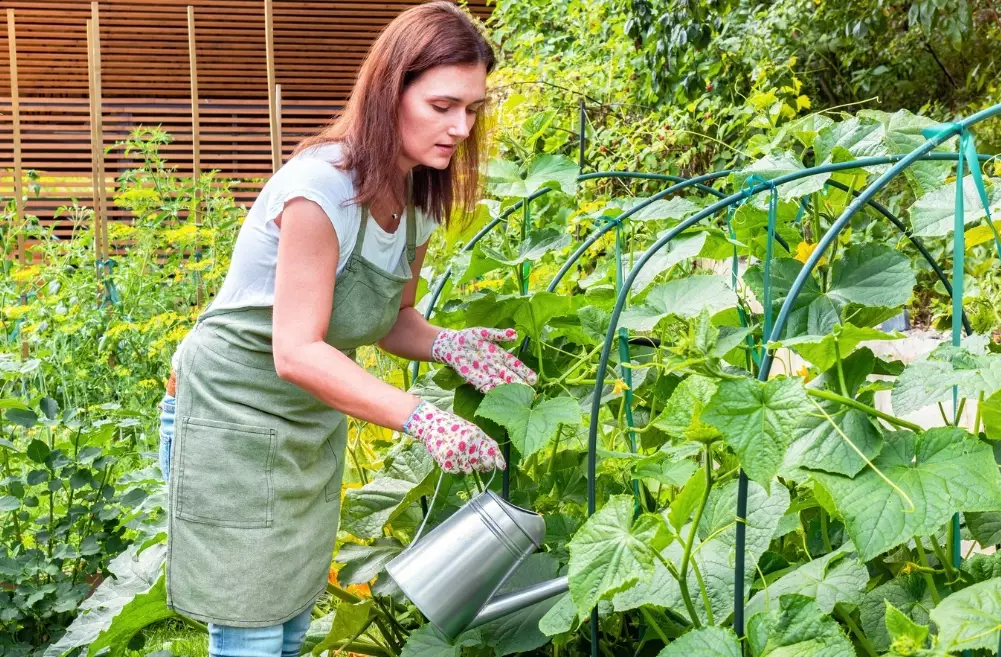
Cooler air reduces evaporation, so most people keep watering their fall beds like it's July. Big mistake. Wet soil plus cooling nights equals damping-off and root rot in young seedlings. I water deeply twice a week rather than lightly every day. Depth pushes roots down. Shallow daily watering leaves roots near the surface, exactly where frost hits first.
Transplants started indoors for fall need hardening off too, and this is the step beginners skip because the weather feels mild. I set mine out for two hours the first day, adding an hour daily over a week. Skipping it stunted a tray of broccoli starts for me once. Sunburn on leaves is obvious within a day. Recovery takes ten. Not worth rushing.
A practical rule I use: if night temperatures drop below 45°F during the two weeks after transplanting, delay by five days. Cold-stressed transplants bolt faster than any other crop in the fall bed.
Real Questions From My Fall Garden Notes
My lettuce seedlings sprouted but stopped growing after three weeks. What's going on?
Check your soil nitrogen before blaming temperature. Fall beds that held summer crops are often depleted. Also check spacing — I've seen lettuce crowd itself out because people forget fall plants spread at the same rate as spring. Thin aggressively to four inches minimum.
Can I plant fall crops directly where my tomatoes were?
Yes, but clean out the tomato debris completely first. I pull roots too, because leftover leaf litter carries blight spores that splash up onto young greens. Add a light layer of finished compost to reset the soil surface.
Do I need row covers for frost protection in a modest fall garden?
For spinach, kale, and arugula in zone 6 and warmer, a single layer of medium-weight row cover buys you two to three weeks of harvest. I use it mainly to keep leaf miners off, honestly. The frost protection is a bonus that pays off in late October.
Why did my fall carrots come out woody and small?
Planting too late, almost every time. Carrots need eight solid weeks of good growing weather. If your deadline pushes past mid-August in zone 5, switch to a quicker radish or beet variety rather than gamble on a thin carrot crop.
This guide reflects hands-on planting records across multiple seasons. Germination and maturity details were cross-checked against regional extension publications before publishing.
Leave a Comment