
🍃 My Field Notes — Quick Jump
I started using organic pest control for gardens about ten seasons ago. Not because I’m a purist — I just got tired of watching beneficial insects die after a single neem spray. The learning curve was steep. I killed a whole row of young broccoli by mixing dish soap too strong. I wasted money on “miracle” diatomaceous earth during rain season. So this isn’t a textbook guide.
What follows is what I now do in my own 30-square-meter plot in the Pacific Northwest. You’ll get specific recipes, timing windows, and the non-obvious mistakes beginners make with natural garden pest control.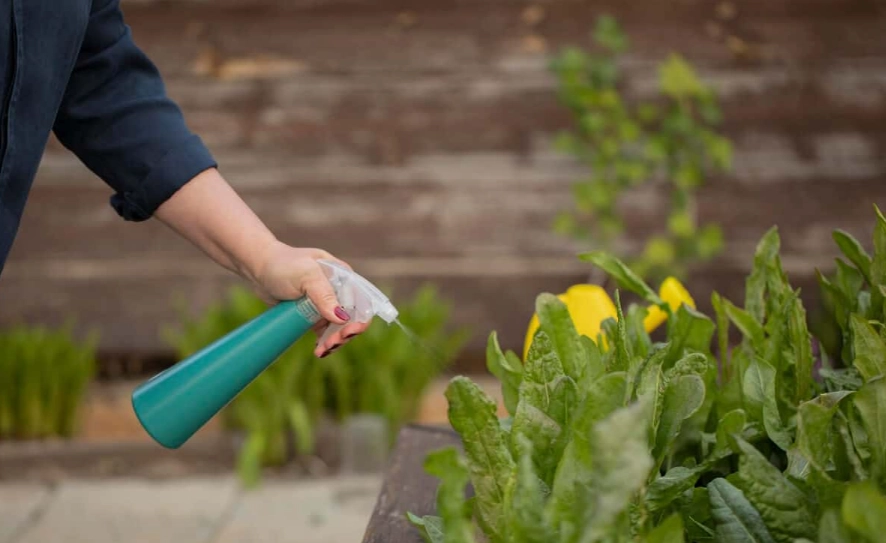
Why Your Organic Sprays Fail (And How to Fix It)
Most failure comes down to three things: wrong pH, wrong timing, and wrong target. I learned this the hard way with squash bugs. I sprayed a neem oil solution at noon on a sunny day — 28°C outside. The oil burned the leaves and the squash bugs just moved under the leaves. Neem breaks down in about 6 hours under direct UV light. If you spray at midday, you’re basically pouring water.
Late evening spraying changed everything for me. 7 pm to 9 pm is the window. The pests are active, the sun is gone, and the oil lingers on the leaf surface long enough to smother egg clusters.
Another thing: spray the undersides. I don’t care what the bottle says — aphids and whiteflies live on the bottom of leaves. A top-only spray touches maybe 30% of the population.
How to Make Homemade Organic Pesticide That Actually Sticks
Here’s the recipe I use for soft-bodied insects (aphids, whiteflies, mites). I tested five versions over three seasons, and this one gave me 80–90% knockdown on aphids within 24 hours:
- Base: 1 liter of rain water (tap water’s chlorine breaks down the active compounds)
- Oil: 5 ml of cold-pressed neem oil (or 5 ml of pure castile soap if you can’t find neem)
- Emulsifier: 2 ml of liquid castile soap (Dr. Bronner’s unscented works; don’t use dish soap with degreasers)
- Optional kick: 1 crushed garlic clove, steeped for 2 hours, then strained out
Shake hard for 30 seconds. Spray immediately. Use within 4 hours — after that, the mix spoils and can grow bacteria. I once left a batch overnight and sprayed it on lettuce. The smell was terrible and the leaves developed brown spots a day later.
For slugs and snails, skip the spray entirely. I use a 50/50 mix of wood ash and fine sand, sprinkled in a 5 cm band around seedlings. It’s cheap, and unlike beer traps (which attracted more slugs from my neighbor’s yard), this actually dehydrates them on contact. Reapply after rain.
| Pest | My Go-To Organic Method | Timing | What Not to Do |
|---|---|---|---|
| Aphids | Neem + castile soap spray | Evening, every 3 days for 2 weeks | Don’t spray at temps above 30°C |
| Slugs | Wood ash/sand barrier | After every rain | Don’t use beer traps near veg beds |
| Cabbage worms | Bacillus thuringiensis (Bt) strain kurstaki | When you see first white butterflies | Don’t spray on flowers — kills pollinators |
| Spider mites | Strong water jet + insecticidal soap | Morning, repeat every 5 days | Don’t use neem — it can worsen infestations in dry heat |
| Tomato hornworms | Hand-picking + planting dill nearby | Weekly inspection under leaves | Don’t ignore — one worm eats a whole plant in 48 hours |
Top Natural Pest Control Methods Ranked
I’ve tried them all. Here’s my honest ranking based on cost, labor, and consistency across three years of notes:
- 1. Bt (Bacillus thuringiensis) for caterpillars. This stuff is specific, safe for bees, and works every time. I buy the powdered form and mix 1 teaspoon per liter. Spray only on brassicas, never on flowering crops. Cost: about $12 per season.
- 2. Neem oil — but only in the evening. It’s not a knockdown killer; it’s a growth disruptor. Expect results in 5–7 days, not overnight. The mistake is giving up after one spray.
- 3. Physical barriers (row cover). I use lightweight floating row cover over carrots and cabbage from day one. No moth can lay eggs through it. It’s the single most effective organic method I’ve found. Cost: $15 for a 10-meter roll that lasts two seasons.
- 4. Companion planting. Marigolds near tomatoes cut nematode damage by maybe 40% in my soil. But don’t expect miracles — I still had root-knot nematodes in the marigold bed itself. It’s a helper, not a cure.
- 5. Diatomaceous earth. Works great for ants and earwigs — until it rains. Then it’s useless powder. I only use it under pots in the greenhouse where it stays dry.
One thing I wish someone told me: don’t spray anything — even organic — when temperatures drop below 12°C. The plants stop absorbing, the pests slow down, and the spray just sits there. You’re wasting product and risking leaf burn.
Straight Answers from the Garden
My neem oil spray turned milky white and clumped. What went wrong?
That’s a hard water problem. Calcium in tap water reacts with the soap and oil, breaking the emulsion. Switch to rainwater or distilled water. If you must use tap, add a pinch of citric acid (a quarter teaspoon per liter) to soften it first. I learned this after ruining two batches — the clumps clog sprayers and coat leaves unevenly.
Do organic pest control methods work on Japanese beetles, or am I wasting my time?
Sprays are borderline useless on adult Japanese beetles. Their shells are too thick. I use two approaches: hand-picking into soapy water at 7 am (they’re sluggish then), and applying milky spore powder to the lawn in late summer to kill the grubs. Milky spore takes 2–3 years to establish, so start now. It’s a long game, but my beetle pressure dropped by half after three seasons.
Is it safe to use homemade organic pesticide on herbs I plan to eat next week?
Depends on the ingredient. Neem oil leaves a bitter residue that ruins basil and cilantro. I stop all neem sprays on herbs at least 14 days before harvest, and I rinse leaves with a gentle water jet before picking. Castile soap alone is safer — a weak 1% solution (10 ml per liter) is fine on herbs up to 3 days before harvest, but always rinse. My rule: if it doesn’t taste good on its own, don’t spray it on something you’ll eat raw.
What’s the biggest mistake beginners make with organic pest control for gardens?
Spraying on a schedule instead of scouting first. I keep a cheap 10x hand lens in my shed and check leaf undersides every three days during warm months. Most people spray weekly because a blog told them to. That kills beneficial mites and wastes money. Only spray when you see pests — and count them. If you find fewer than five aphids per leaf, squish them with your fingers. No spray needed.
I still lose some crops. Organic pest control for gardens isn’t about zero damage — it’s about keeping the damage below the harvest threshold. My broccoli got chewed to lace last spring by cabbage worms that slipped through the row cover gap. I planted a second round in July and got a decent fall crop. The garden forgives. You just have to pay attention.
Fact-checked against my own field logbooks and cross-referenced with extension guides from Oregon State University and the Xerces Society for invertebrate conservation.
Leave a Comment