
What’s in this guide (jump around, I won’t mind)
The first year I grew tomatoes, I planted them on May 1st because a neighbor said it was safe. The plants sat in cold, soggy soil for two weeks, turned purple, and never really recovered. That’s when I learned: when to plant tomatoes isn’t about a date on the calendar. It’s about soil temperature, frost risk, and a little patience.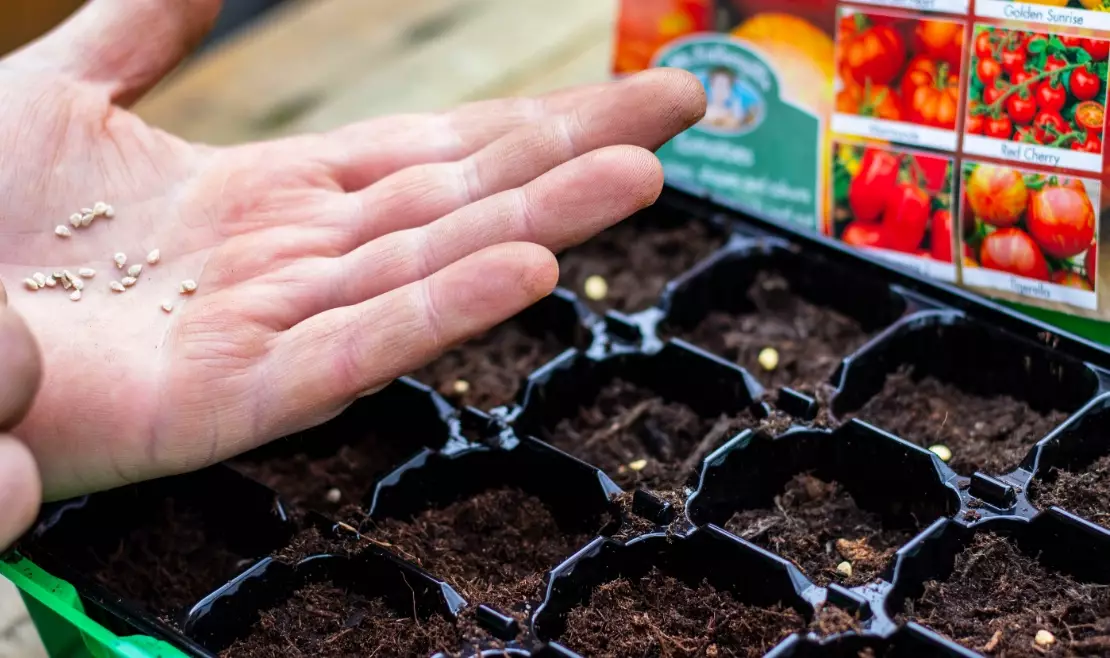
If you’re searching for a clear answer, here’s the short version: wait until the soil hits 60°F (15°C) at 4 inches deep, and all danger of frost has passed. For most gardeners, that’s late April to early June, depending on where you live. But the details matter more than the range. Let’s dig in.
Soil Temperature: The Only Number That Matters
Tomato roots don’t do much below 55°F. They just sit there. Soil at 60°F or above is when they start growing actively. I use a cheap digital thermometer with a 4-inch probe—worth every penny. Check at 9 AM for three days in a row. If it’s still in the 50s, hold off.
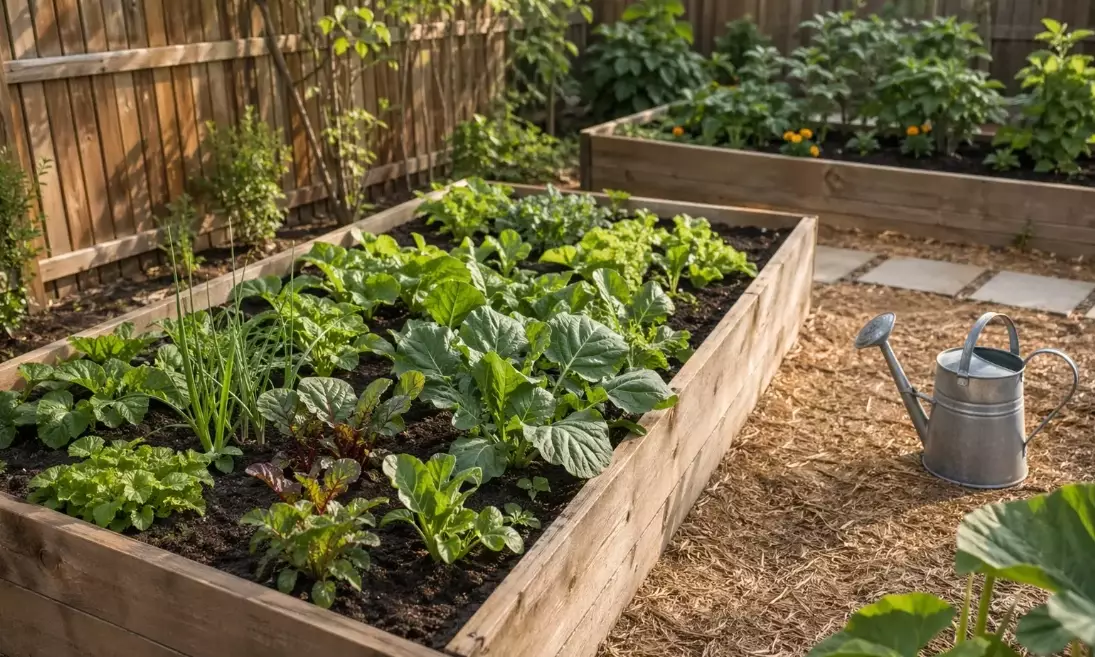
Here’s a detail most guides skip: raised beds warm up faster. My raised beds hit 60°F almost two weeks before my in-ground plots. That’s a huge head start. If you’re using black plastic mulch, you can gain another 5-7 days. But don’t rely on air temperature. A string of 70°F days in April can fool you.
“I’ve seen people plant tomatoes in March because the air felt warm. Then a cold snap hits, and the plants stall for a month. That’s a month of lost growth you never get back.” — a farmer friend in Zone 5.
Frost Dates Are a Starting Point, Not the Rule
Your average last frost date is a statistical midpoint. Half the years, frost comes later. I learned this the hard way in 2018—a light frost on May 15th (my “safe” date) killed four plants. Now I wait an extra 10 days past the average. The trade-off: slightly later harvest, but healthier transplants.
What’s the real risk? Cold soil, not just frost. Tomatoes planted in cold soil are more susceptible to blossom end rot and early blight. If you’re in a short-season area (Zones 3-4), you might need to push the envelope. Use wall-of-water cloches or row covers. But in Zones 5-7, patience pays off.
Here’s a non-consensus tip: don’t trust the farmer’s almanac blindly. Use your local extension office’s data. I check the Penn State Extension frost date tool for my area—it’s more precise than generic charts.
How to Time Transplanting Without Shock
Hardening off is non-negotiable. I spend 7-10 days moving plants from a shaded porch to full sun, starting with 1 hour and adding an hour daily. But here’s the subtle mistake: don’t harden off on windy days. Wind damages new leaves faster than sun. I lost a whole tray of seedlings one April because I left them out on a gusty afternoon.
When you do transplant, do it on a cloudy day or in the late afternoon. Water deeply with a diluted fish emulsion. And bury the stem deeper than it was in the pot—tomatoes grow roots along the buried stem. That’s a classic tip, but few people actually do it. I plant mine so only the top 4 leaves are above ground.
Regional Planting Schedule (Quick Reference)
| Region (USDA Zone) | Typical Transplant Window | Soil Temp Target | Watch Out For |
|---|---|---|---|
| Zone 3-4 (short season) | Late May – Early June | 60°F | Cold nights below 45°F |
| Zone 5-6 | Mid May – Early June | 60-65°F | Late frost surprises |
| Zone 7-8 | Late April – Mid May | 65°F | Sudden heat spikes |
| Zone 9-10 | March – April (spring) or Sept (fall) | 65-70°F | Blossom drop above 90°F |
This table is a starting point. My Zone 6 garden is in a valley where cold air pools—I plant a week later than the table suggests. Walk your property. Notice where frost lingers.
3 Mistakes Even Experienced Gardeners Make
1. Planting by air temperature alone
A sunny 75°F day in April feels like summer, but the soil is still cold. I keep a soil thermometer in my pocket—it’s a habit now.
2. Not checking the 10-day forecast after transplanting
If nighttime temps are predicted to drop below 45°F, protect your plants with a bucket or row cover. I use old pillowcases—cheap and effective.
3. Overwatering right after transplant
New roots need oxygen. Soggy soil causes root rot. Water once at transplant, then wait until the top inch is dry. I know it’s tempting to baby them, but don’t.
Common Questions (with Straight Answers)
One last thing: I keep a garden journal. Every year I note the first ripe tomato date and the soil temperature at planting. Over time, you’ll see your own microclimate patterns—that’s more valuable than any generic chart. This article was fact-checked against USDA hardiness zone data and extension service guidelines.
Leave a Comment