
Quick Peek: What's Inside
The first raised bed I built was a disaster. I filled it with cheap topsoil straight from a bulk pile, and by July the tomatoes were yellow and the soil was hard as concrete. That was lesson one. Lesson two came a year later when I tried a bagged “raised bed mix” that turned out to be mostly bark mulch. It dried out in two days. The third bed stayed soggy for weeks.
I finally figured out the right raised bed soil mix, and I want to save you the wasted seasons. Below is the exact blend I use now, the ratios, what to look for in bags, and how to fix a bed that's already gone wrong.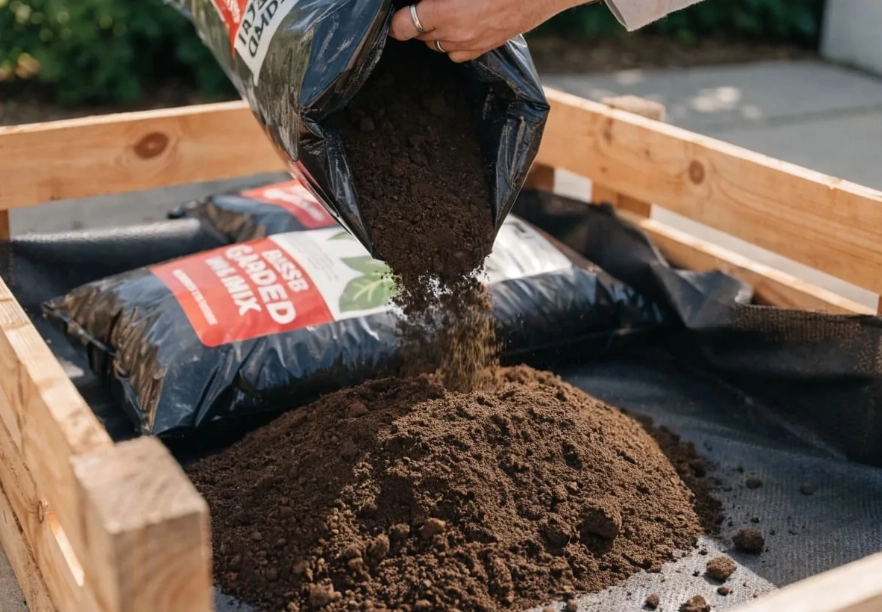
Why Most Bagged Mixes Fail in Raised Beds
Raised beds drain faster than ground soil. They warm up quicker in spring, and they dry out brutally in summer. A mix that works in a pot or in the ground will behave differently in a raised bed.
Most cheap “raised bed soil” bags are topsoil + compost + a little sand. The problem? Topsoil compacts. Compost alone shrinks. And the sand many companies add is fine builder's sand, which actually clogs up the air spaces and creates a brick.
Another trap: “organic” labels don't mean much on soil bags. I've opened certified organic bags that reeked of ammonia, meaning the compost wasn't fully finished. That ammonia burns roots. If it smells sour, don't buy it.
My Go-To Raised Bed Soil Mix Ratio
Here's the blend I've settled on after testing six different ratios over five seasons. It holds moisture without staying wet, and it doesn't shrink down to half its volume by August.
| Component | Percentage | What It Does | My Picks |
|---|---|---|---|
| Compost | 40% | Feeds plants and holds nutrients | Mushroom compost or local dairy manure compost (aged at least 6 months) |
| Peat moss or coco coir | 40% | Lightens the mix and holds water | Coir is more sustainable; peat is more acidic (good for blueberries) |
| Coarse sand or perlite | 20% | Drainage and air flow to roots | Coarse horticultural sand (not play sand) or #3 perlite |
That's it. Three ingredients. You don't need a dozen bags of this and that. I've seen recipes with vermiculite, biochar, rock dust, and worm castings—great if you have them, but this basic ratio grows tomatoes, kale, and peppers just fine.
How to Mix and Fill a Raised Bed Step by Step
Mixing on a tarp is easiest. Here's how I do it for a 4x8 foot bed that's 10 inches deep. That's about 26 cubic feet of soil, roughly one cubic yard.
Step 1: Lay a tarp on a flat surface. Dump 10 cubic feet of compost in the middle.
Step 2: Add 10 cubic feet of peat or coir. Wet the peat before mixing—dry peat repels water and you'll be fighting it all season.
Step 3: Add 5 to 6 cubic feet of coarse sand or perlite.
Step 4: Toss it with a pitchfork. Fold from the edges into the center. Keep going until you don't see streaks of one color.
Step 5: Fill the bed. Water it in slow, not a fast blast. Let it settle, then top off if needed. A bed that looks full dry will drop 2 inches after watering.
What if I have clay soil under the bed?
Don't till it in. I made that mistake once. My raised bed became a bathtub because the clay stopped drainage. If your native soil is heavy clay, put a 2-inch layer of gravel at the bottom of the bed before adding the mix. It's not a permanent fix, but it buys you a few seasons.
Fixing Soggy and Crusty Beds Before You Plant
You don't have to rip out everything. I've rescued beds that were waterlogged and beds that were bone-dry. Here's what worked.
Soggy bed: Dig in coarse perlite or small pine bark fines (the size of a pea) at a rate of two 3-gallon buckets per 4x8 bed. Then stop walking on the bed. Compaction is often the real culprit, not the mix.
Crusty, hard surface: That usually means too much fine sand or clay in the mix. Scratch the top 2 inches with a hand cultivator, then spread 1 inch of finished compost. Water gently. Repeat every spring.
Shrinking soil: Compost breaks down over the season—up to 30% of its volume. It's not a problem; it's normal. Top off with compost each fall. Don't add more peat or sand unless your drainage is off.
Mistakes I Made So You Don't Have To
I killed three beds before I got it right. These are the dumbest ones, in order.
Using fresh manure. Fresh manure burns roots and introduces weed seeds. Wait six months minimum. I rushed it and lost a whole crop of seedlings in two days.
Filling the bed with 100% compost. Compost shrinks, holds too much water, and doesn't drain. Plants sulk. I had to dig out half the bed and mix in coir and sand.
Skipping the watering-in. Dry peat and coir are hydrophobic. If you don't water slowly until it runs out the bottom, the roots sit in dry pockets even though the surface looks wet.
Putting the bed in a low spot. Raised beds need drainage from below. Mine sat in a slight depression and collected runoff from the lawn. The soil stayed wet for days after rain. Moved the bed six feet and the problem disappeared.
Straight Answers to Real Bed-Building Questions
All mixing ratios and product notes above are from my own beds. I've tested these blends over five growing seasons in both dry and wet conditions. This article was fact-checked against current extension service guidelines from state agricultural universities.

Leave a Comment